
Callbacks don't just interrupt your schedule. They cut into labor, delay new work, and create friction with customers that can be difficult to recover from.
On metal roofing projects, callbacks are rarely tied to a failure of the panel itself. More often, they stem from how the system was installed, how details were handled, or how expectations were set. That's what makes them so frustrating, and why they tend to follow predictable patterns.
For contractors working with both exposed fastener panels and standing seam systems, understanding these patterns is critical to protecting both profit and reputation.
Where Do Most Metal Roof Callbacks Start?
Most callbacks don't come from major failures. They begin with small decisions made during installation. Decisions that seem minor in the moment but show up later.
Across residential, post-frame, and commercial projects, the same categories of issues appear consistently. Whether you're installing an exposed fastener system like Max-Rib or a standing seam system like Medallion-Lok, the root causes tend to be the same.
How Do Fastener Installation Mistakes Cause Metal Roofing Callbacks?
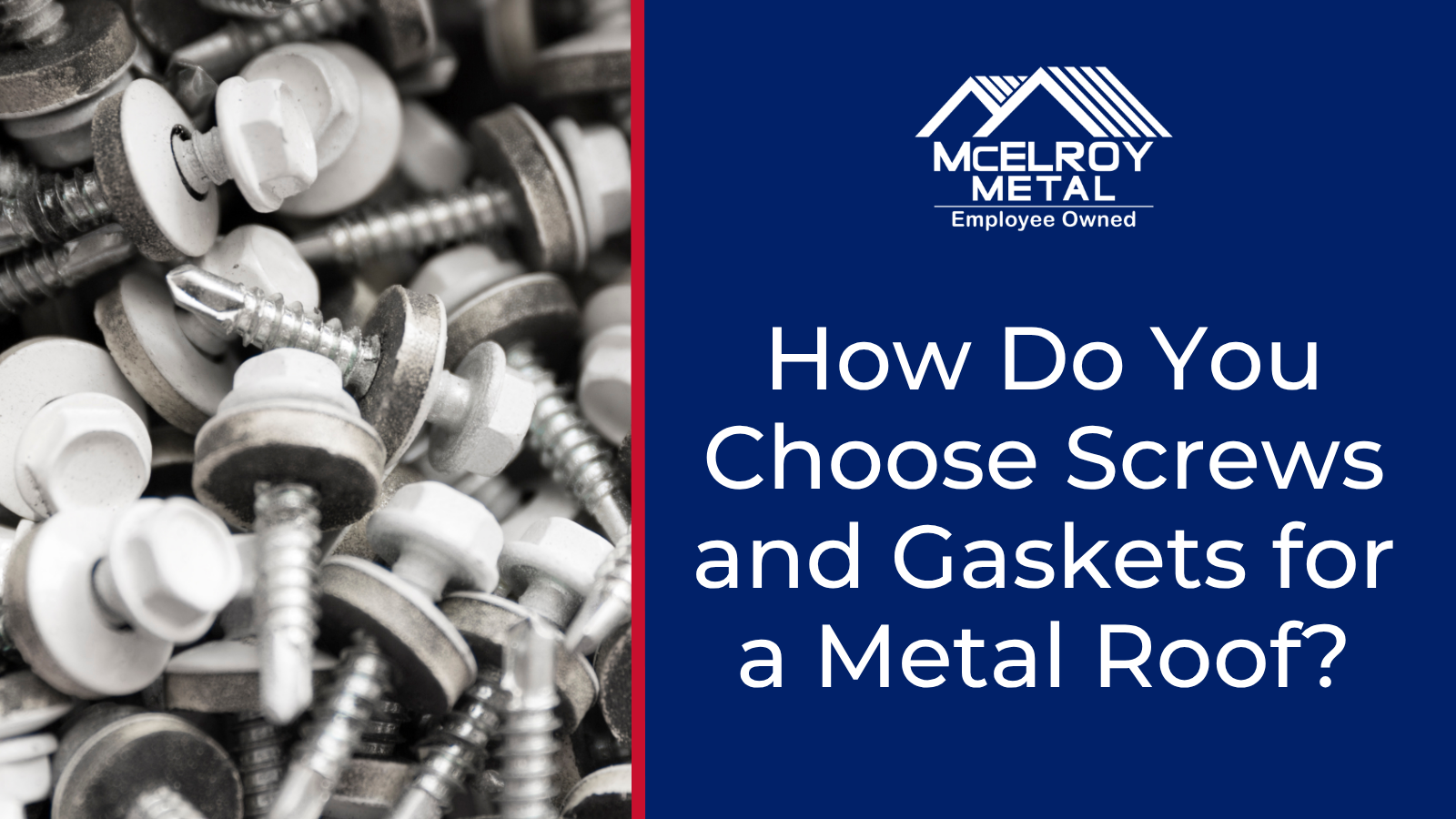
In exposed fastener systems such as Max-Rib and Mega-Rib, fastening practices are among the most common sources of callbacks.
The issue is rarely the fastener itself. It is how the fastener is installed.
When screws are overdriven, washers can be compromised and lose their ability to seal. When they are underdriven, gaps remain, allowing water intrusion. Even slight inconsistencies in angle or placement can create long-term issues, especially across large roof areas.
What separates clean installations from callback-prone ones is control. Crews that approach fastening as a repeatable process, checking depth, alignment, and placement as they go, tend to avoid these issues. Waiting until the end of the job to evaluate fastening often means problems have already been built into the system.
How Does Poor Panel Layout and Alignment Lead to Metal Roofing Problems?
Metal panels offer limited forgiveness once installation begins. If the starting point is not square, alignment issues can carry through the installation, though the impact varies by system. These inconsistencies tend to be more noticeable on standing seam roofs, where panel lines are more visually defined.
Symmetrical standing seam systems such as 138T and 238T allow individual panels to be removed and replaced, which provides some flexibility during installation. However, the overall layout still controls how the system comes together. When alignment is off, it often becomes more apparent at transitions and terminations where panels must reconcile with fixed points.
In some cases, panels may be forced into position to compensate, introducing stress or gaps that affect long-term performance.
Establishing a true starting point, verifying layout lines, and checking alignment early helps keep the system tracking correctly. Incremental adjustments are far easier to make at the beginning and throughout installation than after job completion.
Why Do Trim and Flashing Details Determine Metal Roof Performance?
While panels receive the most attention, trim and flashing determine how the roof manages water.
Leaks rarely originate in the panel's field. They typically occur at transitions, ridges, penetrations, endwalls, and other areas where water is redirected or terminated.
This is true whether you are working with exposed fastener panels or more complex standing seam systems.
Issues in these areas are usually tied to execution. Sealants may be applied inconsistently, closures may be missed, or components may not be installed in the proper sequence. These are not complex steps, but they require attention.
Contractors who treat these details as core parts of the system and follow panel-specific installation guidance see fewer leak-related callbacks.
How Does Mismatched System Selection Cause Metal Roofing Callbacks?
Metal roofing systems are not interchangeable, even when they appear similar.
Differences in attachment methods, thermal movement, and substrate requirements all influence how a system performs over time. When those differences are overlooked, installations may appear correct initially but develop issues later.
For example, standing seam systems like MasterLok-90, Medallion-Lok, or 138T/238T are designed to manage movement differently than exposed fastener panels.
Taking time to review the specific system before installation begins and understanding how it is intended to function helps ensure the approach aligns with the system's design.
How Do Substrate Conditions Affect Metal Roof Installation Quality?
A metal roof reflects the conditions beneath it.
If the substrate is uneven or out of alignment, those inconsistencies can show up in the finished installation and, in some cases, influence performance.
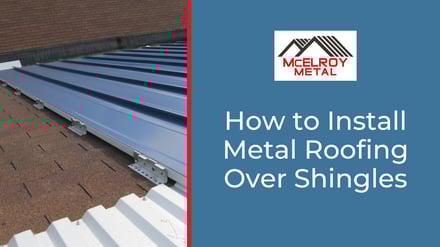
This becomes particularly important in recover and retrofit applications. When installing a metal-over-metal system on an existing building, understanding how the current roof interacts with the new system is critical.
In pre-engineered metal buildings, for example, the existing panel system can play a role in the building's structural behavior. In some cases, substructural components, such as hat channels or retrofit framing systems, may be used to create a more consistent surface for the new roof.
Evaluating substrate conditions early helps avoid issues that would otherwise impact performance and ultimately require a return visit.
What Is Oil Canning and Why Does It Trigger Metal Roofing Complaints?
Oil canning is a visual characteristic that can appear as waviness in flat areas of metal panels.
It does not affect the performance of the roof, but it is one of the most common reasons for customer concerns after installation. Lighting, viewing angles, panel width, and substrate conditions all influence how noticeable it may be.
This is especially relevant on standing seam panels with wide flat pans, where visual appearance is a key part of the design.
When this possibility is not discussed in advance, it can be misinterpreted as a defect.
Setting expectations early and explaining what oil canning is and why it can occur helps prevent unnecessary callbacks tied to appearance.
How Does Time Pressure During Roofing Projects Increase Callback Risk?
Many callback-related issues can be traced back to decisions made under time pressure.
In an effort to keep projects moving, steps that seem minor may be rushed or overlooked. These can be knowledge gaps or moments where execution slips due to schedule demands.
Whether it's fastening, flashing, or final detailing, these small decisions often determine whether a job is complete or needs a return visit.
Building enough time into the project to complete detailed work properly and reinforcing the importance of those details helps maintain installation quality without creating delays later.
How Does Pre-Installation Communication Prevent Metal Roofing Callbacks?
Not every callback originates from installation.
In many cases, the issue is a difference between what the customer expected and what was delivered.
Questions about appearance, performance, or normal characteristics of metal roofing systems often arise after the job is complete. When those conversations happen too late, they can result in unnecessary return visits.
Clear communication before installation and reinforcing key points as needed helps align expectations and reduce perception-related callbacks.
How to Build a Metal Roofing Installation Process That Reduces Callbacks
Contractors who experience fewer return trips tend to follow defined installation practices, verify their work throughout the project, and stay aligned with system-specific requirements. Details are treated as part of the system, not separate from it.
Over time, that approach creates more predictable outcomes, regardless of panel type or project size.
Final Thoughts on Avoiding Callbacks on Metal Roof Jobs
Callbacks on metal roof jobs tend to follow consistent patterns. They are most often tied to fastening practices, layout, trim details and installation, substrate conditions, system understanding, and communication.
When those areas are handled with a disciplined, repeatable approach, the number of return trips decreases.
That consistency shows up where it matters most: more reliable schedules, stronger customer confidence, and a reputation that supports long-term growth.


.png?width=767&name=How%20to%20Install%20Metal%20Roofing%20Over%20Existing%20Metal%20Roofs%20(1).png)
.jpg?width=767&name=How%20to%20install%20a%20metal%20roof%20that%20lasts%20in%20coastal%20environments%20(2).jpg)
.png?width=440&height=293&name=How%20to%20Install%20Metal%20Roofing%20Over%20Existing%20Metal%20Roofs%20(1).png)
Comments on this article:
Scroll down to the bottom to submit a comment and join the conversation. Need help or have a question? Please contact us. Looking for a distributor or contractor? Please click here to get started.