
When faced with product selection options, some designers and building owners choose metal panel products for their building facades. Let’s dig into why metal panels have been a popular choice for facade applications and if they’re up to the challenge.
What is a Facade Panel?
Let’s start our discussion of metal facade panels with a definition. To some, the term simply refers to an exterior skin (or panel) on the street side of a building that serves a primarily aesthetic or architectural function. In contrast, others use this term to describe a construction method that uses a metal panel as part of a componentized wall system or rain screen installed over a barrier wall.
Facade Product Options
Traditionally, numerous products were utilized to dress up a building's exterior wall. Stone, glass, brick, concrete, timber, and ACM panels are all favored products in facade applications. Each product family boasts different advantages (and disadvantages), ranging from initial cost to durability, install time, and required maintenance.
After seeing the ongoing market opportunity for facades in the construction industry, the metal panel industry began promoting its products as a superior option for facades.
Are Metal Panels a Good Fit for Facades?
Are metal panels a good fit for facades? The answer to that question is a resounding yes! Metal wall panels represent an extremely durable, cost-effective material option for building facades. Consequently, we now see metal wall panels on everything from commercial structures like office buildings and health care facilities to schools, churches, and warehouses.
Some of the advantages metal facade panels offer over other facade material choices include:
- 60+ year life expectancy with minimal maintenance
- Metalescent appearance often serves double duty as a design element
- Metal panels are a sustainable, 100% recyclable product option. Few other product options can boast the same.
- Considerable time and cost savings:
 A more cost-effective approach to incorporating corporate branding colors than other product options.
- The brakes and rollformers our industry uses allow us to create products and shapes more quickly and cost-effectively than many other facade options.
- In some product options, a single panel covers from the ground to the eave in a single application, saving tremendous installation time and labor.
- Some metal facade panels can span between structural supports, saving time and money during construction.
- Much quicker installation than other, more labor-intensive product options, such as individual bricks.
What Types of Metal Products Work for Facades?
Our earlier definition of facade allows the use of two distinctly different metal products.
For designers and owners who simply want to dress up the exterior wall of a building, literally any metal panel, from exposed to concealed-fastener styles, can work. However, as might be expected, concealed-fastener wall panels offer enhanced architectural effects compared with the less expensive exposed-fastener panel product family.
Designers and building owners who use the term facade and rain screen interchangeably can choose from a smaller subset of products.
Check out our panel selector tool to quickly narrow down the best options for your project, or continue reading to check out a few of our panel options that work well in rain screen applications.
Visionline F-Series Wall System
Our Visionline F-Series Wall system is a popular rain screen system. Visionline adds architectural styling to wall projects while costing less than traditional ACM systems.
F-Series is an extremely cost-effective solid metal, flat plate wall panel system which doesn’t require field-applied sealants, extrusions, gaskets, or exposed fasteners.
Like other concealed fastener wall panels, Visionline reduces leak exposure while delivering maximum design flexibility.

Insulated Metal Wall Panels
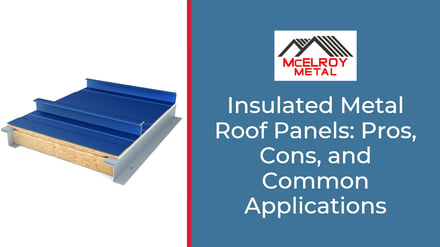
Insulated metal panels, commonly referred to as IMP panels, represent a great option for building owners with an interest in reducing their utility bills and carbon footprint while achieving an attractive facade design. As the photo below shows, a single IMP panel provides an exterior skin, interior skin, and insulation ranging from 2 ½ to 5” sandwiched between the two metal skins.

The CubeSmart project (pictured below) provides a great example of how form and function can overlap. Combining two colors provided an economical design approach, while the IMP panel delivered a quick installation with a finished exterior, interior appearance, and insulation in one simple product install. Click here to read more about this project.

Standing Seam Panels
Historically, standing seam panels have been applied only on roof applications; however, the design community has recently begun using them in wall and facade applications. While it varies by manufacturer, many suppliers offer these types of panels in various widths, making an exciting architectural statement.
Mechanically Seamed Products
Structural T-style panels, like our 238T, deliver a stunning architectural element while offering a spanning ability that saves on construction costs and labor.
Designed by the Fayetteville firm of Miller Boskus Lack Architects and the SmithGroupJJR of Phoenix, Arizona, Champions Hall (see photo below) is a 62,000-square-foot multipurpose building funded, in part, by the University of Arkansas athletics department. Click here to learn more about this project.

Snap Style Panels
A snap-style standing seam panel can also be a great facade option. The photo below showcases our Medallion-Lok product, a popular panel selection for facade applications.

Pan & Batten Style Products
Pan and batten-style products represent the latest metal panel to gain traction in the facade market. While they don’t offer any spanning ability (meaning they require a solid substructure), they still deliver a long-term, low-maintenance solution at an attractive price point. Consequently, our Medallion I and II product offerings can also be great options!
In closing, whether the term "facade" refers to the panel's location on the building or to its ability to serve as a rain screen, metal panels can be a great solution for your next project. Contact us to discuss your project specifics and how we might help.
Or check out our Metal Wall Panel FAQ for more information!


Comments on this article:
Scroll down to the bottom to submit a comment and join the conversation. Need help or have a question? Please contact us. Looking for a distributor or contractor? Please click here to get started.