A building project can get complicated quickly when the framing system requires more time, equipment, or field labor than expected. Cutting and welding onsite, coordinating heavy equipment, and waiting on material can all affect the schedule before the roof and walls even go up.
That's where cold-formed steel framing may make sense. The framing is lighter than traditional structural steel, and depending on the system, components can arrive cut to length, punched and ready for assembly.
But cold-formed steel isn't the right fit for every building. So how do you know when it makes sense? Let's look at where cold-formed framing works well, where it can offer an advantage, and when another framing system may be the better choice.
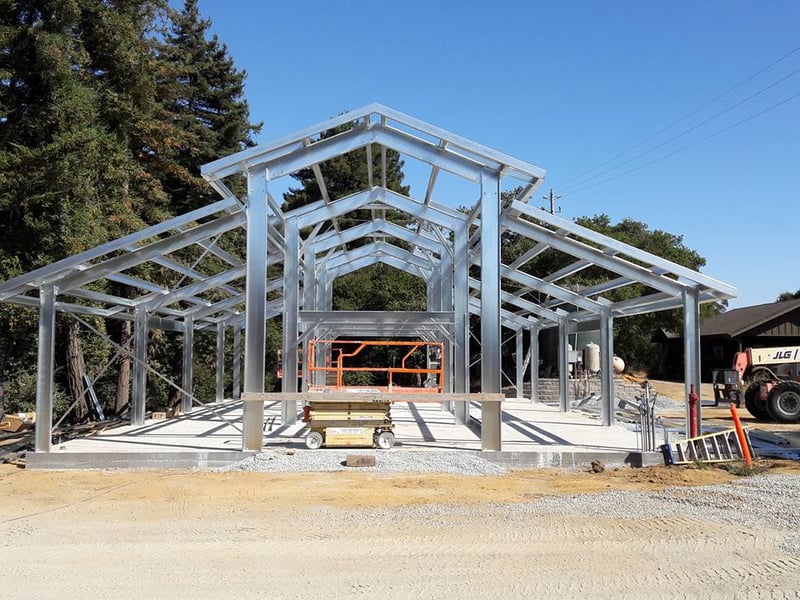
The time-lapse above shows a cold-formed steel building taking shape, from erecting the structural framing through installing the metal roof and wall panels.
What Is Cold-Formed Metal Framing?
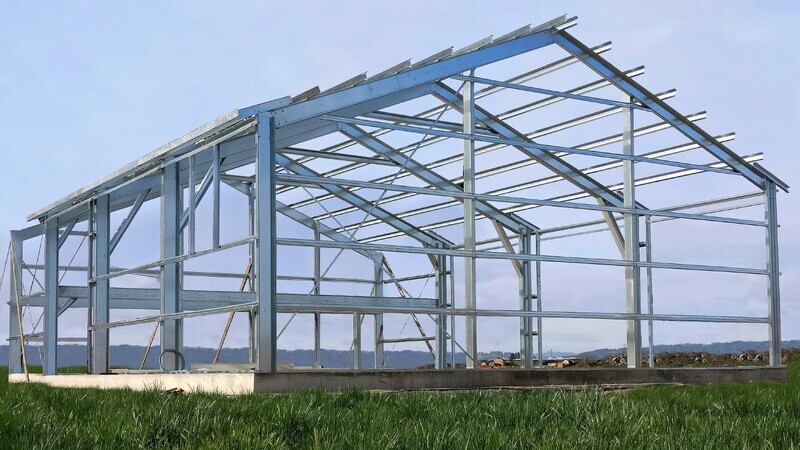
Cold-formed metal framing uses steel that is shaped into structural members at room temperature. Unlike the heavier hot-rolled steel commonly used for red-iron framing, cold-formed members are produced without heat.
The framing can include studs, joists, tracks, headers, angles, and truss members. Cold-formed steel framing is designed around the structural requirements of each building. AISI S100 and S240 provide standards for designing cold-formed steel structural members and framing systems.
If you want to dig deeper into how the material is manufactured and the components that make up the framing system, Understanding Cold-Formed Metal Framing takes a closer look at the process.
How Can Cold-Formed Steel Save Time on a Project?
Cold-formed steel can save time by moving some of the work from the jobsite to the manufacturing process. When framing members arrive cut to length and prepared for assembly, crews can spend less time measuring, cutting, welding, or making other modifications onsite.
How much time that saves depends on the project and framing system, and lead times can change with demand and production schedules. But when skilled labor is tight, or you're working against a short construction schedule, reducing the amount of work that has to happen onsite can make a difference.
For an example of how this works in the field, Jason Sellers, McElroy Metal's EasyFrame Metal Buildings Manager, discusses cold-formed steel building installation, including how pre-punched and pre-notched components affect assembly.
Is Cold-Formed Steel Framing Cheaper Than Wood or Red Iron?
Cold-formed steel isn't automatically less expensive than wood framing or red iron. Material is only part of the cost. Labor, equipment, foundation requirements, and time on the jobsite can all change the equation.
Equipment is one place where contractors may see a difference. Because cold-formed members are lighter, some projects may not require the same heavy lifting equipment used to erect traditional structural steel. Completing more of the cutting and fabrication before the material arrives can also reduce work in the field.
Wood brings different challenges. Steel members don't warp, twist, or change dimension because of moisture, giving crews a more consistent material to work with.
Foundation requirements can affect cost as well, but those depend on how the building is engineered and how the loads are transferred. That's why comparing framing prices alone doesn't tell you which option will cost less to build.
How Does Cold-Formed Steel Handle Wind, Snow, Fire and Pests?
Cold-formed steel can perform well in each of these areas, but not for all the same reasons. Wind and snow loads are addressed through the design of the framing system, while steel itself is noncombustible and isn't a food source for termites or other wood-destroying insects.
For wind and snow, the framing is engineered for the loads the building is expected to experience. Steel also won't rot like wood when exposed to moisture and doesn't provide a food source for termites and other wood-destroying insects.
When it comes to fire, steel is noncombustible, but that doesn't mean every steel-framed wall, floor or roof has the same fire-resistance rating. That rating depends on the complete assembly and the other materials used with the framing.
When Is Cold-Formed Framing Not the Right Choice?
Cold-formed framing isn't the best choice for every project. As buildings get wider or structural demands increase, the advantages of a traditional structural steel system may begin to outweigh the benefits of lighter cold-formed framing.
Column spacing can also influence that decision. A building that needs large open areas with fewer interior columns creates different structural demands than a shop, agricultural building, or storage facility.
Rather than starting with a maximum span or building size, start with what the building needs to do. Its width, height, roof design, openings, loads, and intended use all help determine which framing system makes sense.
If you're weighing cold-formed framing against a traditional pre-engineered metal building, this comparison looks more closely at the differences between the two approaches.
What Types of Buildings Work Well With Cold-Formed Framing?
Cold-formed steel framing can be used for shops, garages, agricultural buildings, storage facilities, barndominiums and light commercial buildings. But there are some less obvious uses, too.
McElroy's EasyFrame models include a 16-by-70-foot batting practice building and the Pickler, a 100-by-120-foot building designed for pickleball. The Pickler has room for regulation play, plus space for bleachers, locker rooms, showers, and a kitchen area.
These are just two examples of how cold-formed framing can work for projects you might not immediately think of when you picture a metal building.
Is Cold-Formed Steel Framing Right for Your Next Project?
Cold-formed steel framing won't be the right choice for every building, but it gives contractors another way to approach projects where traditional framing may not be the best fit.
The key is to look at the project as a whole and decide which framing system makes the most sense for the building, the crew, and the jobsite.
Frequently Asked Questions About Cold-Formed Steel Framing
What Is the Difference Between Cold-Formed Steel and Hot-Rolled Steel?
The main difference is how the steel is formed. Cold-formed steel is shaped into structural members at room temperature, while hot-rolled steel is formed at high temperatures. Both can be used for structural framing. Which one makes sense depends on the needs of the project.
How Do Lead Times for Cold-Formed Steel Buildings Compare to Pre-Engineered Buildings?
Cold-formed steel buildings can often have shorter lead times than traditional pre-engineered buildings. The actual timing will depend on the project and current production schedules, so it's important to check lead times when you're planning the job.
Does Cold-Formed Steel Need Special Fasteners?
Connections are part of the engineered framing system. Contractors should use the fasteners and connection details specified in the project drawings rather than substituting fasteners or changing connection details in the field.


.png?width=767&name=How%20to%20Install%20Metal%20Roofing%20Over%20Existing%20Metal%20Roofs%20(1).png)
.jpg?width=767&name=How%20to%20install%20a%20metal%20roof%20that%20lasts%20in%20coastal%20environments%20(2).jpg)
Comments on this article:
Scroll down to the bottom to submit a comment and join the conversation. Need help or have a question? Please contact us. Looking for a distributor or contractor? Please click here to get started.