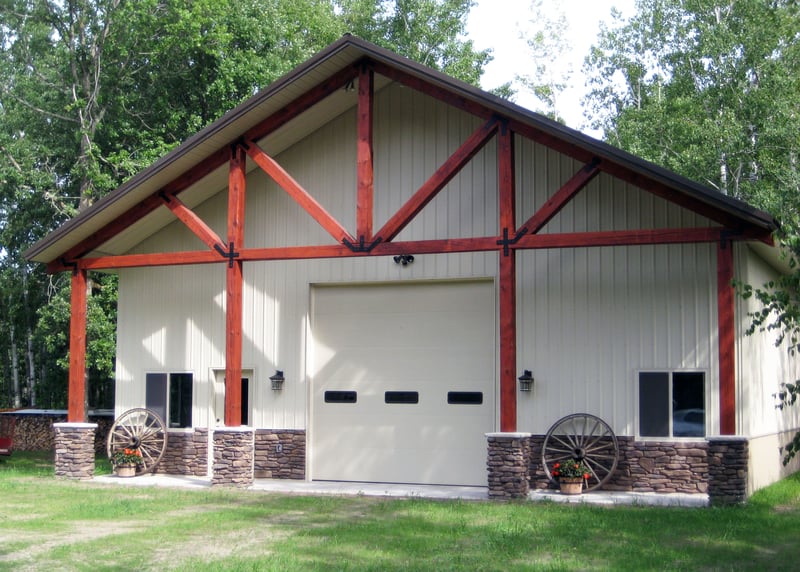
Post-frame construction evolved from historic timber framing techniques but incorporates modern engineering practices, steel components, and contemporary fastening systems. The result combines traditional structural principles with modern materials and construction methods.
Post-frame construction is built around large vertical structural posts that serve as the primary support system. These posts are typically embedded several feet into the ground or anchored to a concrete foundation. Roof trusses are secured directly to the posts, reducing the need for interior load-bearing walls.
In contrast, conventional stick-built homes rely on closely spaced wall studs, commonly sixteen inches on center, to support structural loads. Floors, walls, and roof assemblies are framed in layers, with each component contributing to structural stability.
The structural difference between the two construction methods influences layout flexibility. Wider post spacing can allow for larger open areas within post-frame structures. And fewer structural interior walls may provide additional design options depending on the architectural plan. For homeowners, this often translates into open floor plans, vaulted ceilings, and adaptable interior layouts.
.jpg?width=800&height=451&name=Peters_Barndominium_Max-Rib_Autmn%20Red-Walls_Matte%20Black_wainscot-roof_Exterior%20(1).jpg) Why Are Homeowners Choosing Barndominiums Over Traditional Homes?
Why Are Homeowners Choosing Barndominiums Over Traditional Homes?
The term barndominium blends the words barn and condominium. While early versions reflected agricultural roots, many contemporary designs resemble conventional residential homes in appearance.
Homeowners are often drawn to several practical considerations.
Open and Flexible Floor Plans
Because structural loads are carried by widely spaced posts, interior spaces can be configured with fewer structural limitations. This may allow for expansive living areas and higher ceilings, depending on the design.
Customization Options
Since the primary structural system is independent of many interior walls, layouts can be adjusted to accommodate lifestyle needs such as multigenerational living, home offices, or adaptable living spaces.
Integrated Functional Space
Some homeowners choose post-frame construction to combine living areas with workshops, storage areas, garages, or hobby spaces under a single roof. This configuration can support residential and functional uses within one structure, subject to local zoning regulations.
In areas where housing affordability is a concern, some buyers explore alternative construction methods to balance design flexibility and construction cost.
 How Much Can You Save Building a Post-Frame Home Compared to Conventional Construction?
Cost is often part of the conversation when evaluating post-frame construction. However, outcomes vary based on site conditions, design complexity, material selection, and regional labor rates.
Foundation Design
Many post-frame homes are constructed on slab foundations. Depending on soil conditions and design requirements, this may reduce excavation and foundation materials compared to full basements or crawl spaces.
Structural Framing
Because posts are spaced farther apart than conventional studs, the framing system differs from stick-built construction. Material quantities and labor requirements during the framing phase may vary accordingly.
Construction Timeline
A simplified structural system can reduce framing time in some projects. Overall build timelines still depend on weather conditions, permitting, design complexity, and contractor availability.
Interior systems such as plumbing, electrical, HVAC, cabinetry, and finishes generally reflect market pricing regardless of structural method.
First cost reflects the initial construction expense. Life cycle cost considers durability, maintenance, and long-term material performance. Galvalume®-coated steel has demonstrated a long service life in many environments when properly installed and maintained. This long-term material durability can influence overall ownership cost over time.
Are Post-Frame Homes Energy Efficient?
Energy efficiency in any home depends on insulation design, air sealing, material selection, and climate zone. The structural method alone does not determine overall performance.
The U.S. Department of Energy reports that heating and cooling account for a significant portion of residential energy use. Reducing unwanted heat transfer and controlling air leakage are central to improving long-term energy performance.
Both construction methods can incorporate a variety of insulation systems, including batt insulation, blown-in insulation, rigid board insulation, or spray foam insulation, depending on design requirements and local energy codes. Performance depends on proper installation and continuous insulation strategy rather than framing type alone.
It's important to note that when metal roof and wall panels are used on post-frame homes, reflective coatings may contribute to energy performance, according to research published by the U.S. Department of Energy. Roofing materials designed with reflective pigments can reduce cooling energy use in certain climates. Actual savings vary based on color selection, building orientation, insulation levels, and geographic location, but often range from 20-40%.
How Do Post-Frame Homes Deliver Longer Service Life with Lower Maintenance?
One of the strongest advantages of post-frame construction, particularly when paired with metal roofing and siding, is reduced long-term maintenance compared to many conventional residential systems.
Durability begins with proper engineering and installation, but the choice of exterior materials plays an even larger role in how much attention a home will require over time.
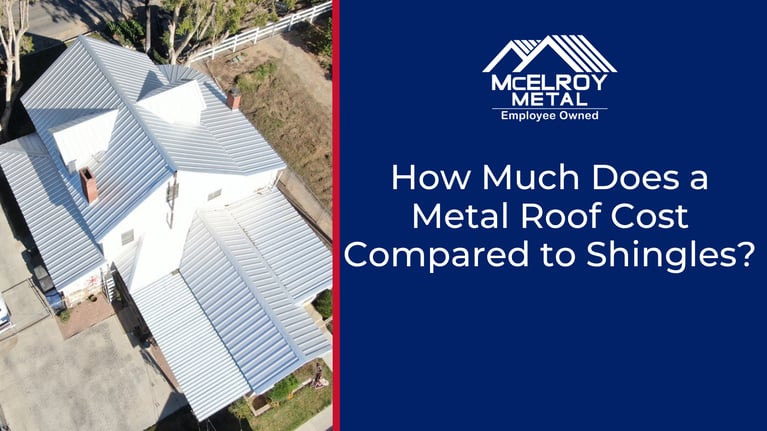
Metal roofing systems, commonly used on post-frame homes, offer clear advantages over traditional asphalt shingles. Steel panels do not split, curl, or shed granules the way layered shingle systems can. They are also not susceptible to rot or moisture absorption. As a result, metal roofs are designed for longer service life and typically last 2-3 times as long.
Beyond the large difference in service life, maintenance differences also vary greatly between the different systems. Asphalt shingles offer a life expectancy of only 12-20 years and can require continual maintenance during their life expectancy. In contrast, metal roofing systems, when properly installed, generally require minimal maintenance and offer a 45-60 year service life.
Exterior wall materials follow similar patterns. Wood-based siding products often require repainting, sealing, or repair. Conversely, steel panels are designed to retain structural integrity and finish performance with minimal ongoing upkeep beyond routine inspection.
All homes benefit from periodic review of fasteners, sealants, and drainage systems. However, when metal roofing and siding are incorporated into post-frame construction, homeowners can reasonably expect lower long-term maintenance requirements than with many traditional exterior materials.
Can Post-Frame Construction Influence Insurance Costs?
In many markets today, insurance premiums are being influenced less by framing methods and more by roof condition and exterior materials.
A growing number of insurers are limiting or refusing coverage on homes with asphalt shingle roofs nearing the end of their service life. In some regions, carriers require roof replacement once shingles reach a certain age — regardless of visible condition — because aging asphalt increases the likelihood of wind damage, water intrusion, and hail-related claims.
This shift in underwriting has placed greater emphasis on long-term material performance. Metal roofing and siding systems are often viewed more favorably by insurers because they offer longer service life compared to traditional asphalt shingles, provide enhanced resistance to wind uplift and hail impact when properly installed, reduce fire risk particularly in wildfire-prone regions, and require less frequent replacement over the life of the home.
As a result, some carriers offer premium discounts for homes with metal roofing, while others may simply apply fewer coverage restrictions compared to aging asphalt systems.
Post-frame construction itself is not typically rated differently from conventional framing. However, when paired with durable exterior materials — particularly metal roofing and siding — the overall risk profile of the structure may be viewed more positively.
Because underwriting standards vary by region and carrier, homeowners should request quotes based on final design specifications, including roofing material, age, and engineered wind or snow load ratings.
What Zoning Challenges Should You Expect When Building a Post-Frame Home?
Local zoning ordinances and homeowners' association guidelines may affect residential construction options.
While post-frame homes are permitted in many jurisdictions, municipalities may impose aesthetic requirements, setback regulations, mixed-use restrictions, or design guidelines. Urban and suburban areas often have stricter architectural review processes than rural locations.
Engaging with local planning departments early in the design process can help clarify requirements and reduce potential delays.
What Should You Look for When Selecting a Post-Frame Builder or Material Supplier?
Choosing the right builder or material supplier can significantly affect the outcome of a post-frame project.
Look for demonstrated post-frame experience, documented engineering designed for local code requirements, clearly defined material specifications, and transparent warranty coverage.
Builders should be able to explain structural design decisions, foundation detailing, and moisture management strategies.
Clear documentation and technical competence are stronger indicators of quality than price alone.
Is a Post-Frame Home Right for You?
Post-frame construction represents a structurally efficient alternative to conventional stick-built framing. Its wide post spacing allows for expansive interior layouts, integrated functional space, and streamlined framing during early construction phases.
It is not the right solution for every property or neighborhood. Zoning requirements, aesthetic preferences, and site conditions should be evaluated carefully.
For homeowners seeking open design flexibility, structural efficiency, and lower long-term maintenance when incorporating metal exterior systems, post-frame construction offers distinct advantages over traditional framing methods.
Thoughtful planning, qualified professionals, and informed material selection are essential to ensuring the finished home performs as intended.



.png?width=440&height=293&name=R%20Panel%20vs%20Ag%20Panel%20(1).png)
Comments on this article:
Scroll down to the bottom to submit a comment and join the conversation. Need help or have a question? Please contact us. Looking for a distributor or contractor? Please click here to get started.