In hospitality, everything ties back to the guest experience, and roofing is no exception.
A roofing failure is not just a maintenance issue. It can take rooms out of service, lead to public health issues if mold becomes an issue, disrupt operations, generate negative reviews, and impact long-term asset value. For hotel owners and operators, roofing becomes a business decision, not just a construction detail.
Hotels operate on tight margins where unplanned expenses and operational disruptions directly affect profitability. Most properties already plan for recurring renovations, refreshing guest rooms, corridors, and public spaces every 7 to 15 years to meet brand standards and guest expectations. Roofing can follow a very different path. Instead of repeating that cycle, a properly designed metal roof can perform for 50 to 60 years, making it one of the few capital investments that can outlast multiple renovation cycles.
Ownership groups evaluate capital investments based on their ability to protect net operating income (NOI) and maintain asset value. Roofing decisions influence more than weather protection. They affect energy performance, insurance exposure, brand compliance, and the overall appearance of the property.
Metal roofing is increasingly evaluated in this context, not as an upgrade, but as a long-term operational strategy.
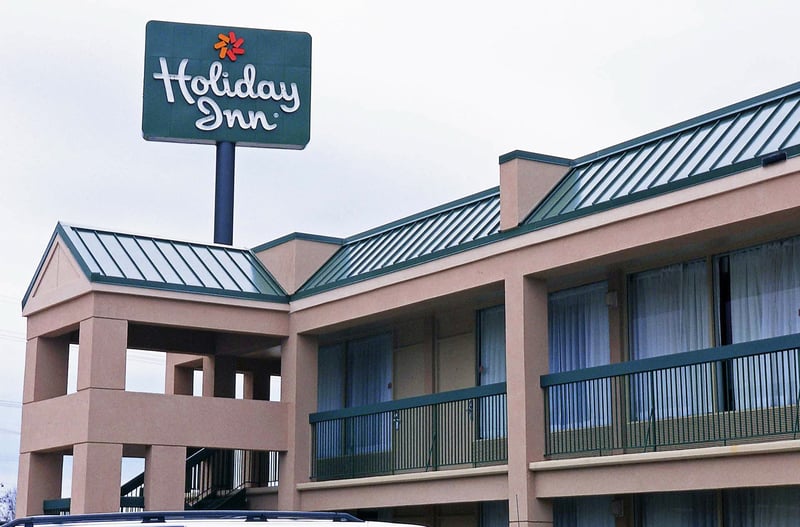
How Does Metal Roofing Reduce Long-Term Costs for Hotel Properties?
On a property expected to operate for 40 years or more, that can mean multiple replacement cycles.
Each cycle introduces more than material and labor costs. It brings operational disruption, potential revenue loss, possible tear-off and material disposal costs, and pressure to maintain brand standards during construction.
Traditional roofing systems typically require replacement every 15 to 20 years. Over a 40- to 50-year ownership period, that can result in two to three full replacements. Metal roofing systems, by comparison, are often designed to perform for 50 to 60 years or more, allowing a single installation to cover the same timeframe.
Instead of repeating a major expense every few years, the investment is made once and performs for decades.
Hotels operate HVAC systems continuously across guest rooms, common areas, kitchens, and amenities, making energy use a meaningful part of ongoing operating costs.
Reflective metal roofing systems can help reduce cooling demand, depending on climate and building design. Over time, those reductions contribute to lower operating expenses, which flow directly to net operating income (NOI) and overall asset value.
What Are the Performance Benefits of Metal Roofing for Hotel Properties?
Performance in hospitality is not just about durability; it is about managing risk.
Weather Resilience
A roof failure during peak occupancy is one of the most disruptive events a hotel can face. It affects guest safety, operations, and brand reputation simultaneously.
Metal roofing systems are engineered to perform under a range of environmental conditions, helping reduce the likelihood of unexpected failures.
Fire Resistance
Metal roofing is non-combustible, which is an important consideration for multi-story hospitality properties where evacuation complexity and life safety requirements are higher.
Fire-rated assemblies are often required by code and brand standards, making material selection a critical decision.
Hail and Impact Resistance
In hail-prone regions, roof damage can lead to frequent repairs and insurance claims.
Impact-rated metal roofing systems are designed to withstand severe hail conditions more effectively than many traditional materials, reducing the frequency of repairs and associated disruptions.
Wind Performance
For coastal and high-wind regions, uplift resistance is critical.
Metal roofing systems use engineered attachment methods that provide strong resistance to wind forces. This can help maintain building operations following severe weather events.
Aesthetic Flexibility
Hotels compete on appearance as much as performance.
In some projects, metal roofing contributes directly to the architectural expression through visible profiles, colors, and finishes. In others, particularly low-slope designs, the roof may sit behind parapet walls, with aesthetics driven more by the façade.
Even when the roof is not a primary visual element, it still plays a critical role in long-term performance. A well-designed metal roofing system supports durability, consistency, and reduced maintenance over time, all of which help protect the appearance and condition of the property.
Metal roofing offers a range of profiles, colors, and finishes that support brand identity and architectural intent. Maintaining a consistent exterior appearance plays a role in guest perception and franchise compliance.
How Does Metal Roofing Support Hotel Sustainability Goals and Environmental, Social, and Governance Commitments?
Sustainability is an increasing priority for hospitality ownership groups and guests alike.
Energy Efficiency
Reflective metal roofing can reduce heat gain and lower cooling demand, particularly in warmer climates.
Environmental Impact
Reducing energy use over time helps lower the operational carbon footprint of the property, supporting sustainability initiatives and reporting.
Recyclability
Metal roofing is fully recyclable at the end of its service life.
This contrasts with many traditional roofing materials that contribute to landfill waste, making recyclability an important consideration for long-term environmental impact.
Solar Integration
Many hotel properties, especially low-rise and resort-style developments, offer significant roof area for solar applications.
Metal roofing systems can support solar installations while maintaining roof performance, allowing owners to evaluate renewable energy opportunities as part of a broader energy strategy.
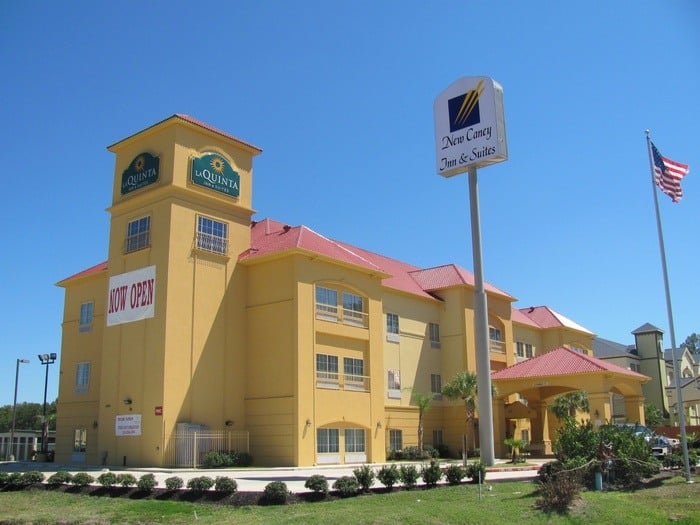
Can Hotel Roofing Projects Be Completed on Existing Facilities Without Disrupting Guests?
For existing hotel properties, construction disruption is often the primary concern.
Any impact on guest experience can affect revenue, brand perception, and online reviews, which is why minimizing disruption is a key part of roofing decisions.
Recover Installation Advantages
In many cases, metal roofing systems can be installed over an existing roof, depending on structural conditions.
This approach avoids tear-off, which can reduce:
-
Project cost and timeline
-
Jobsite debris and noise
-
Safety concerns around occupied areas.
In many situations, the hotel can remain operational during installation.
Because disruption is reduced, installation can be more effectively aligned with periods of lower occupancy, seasonal demand fluctuations, or planned renovation schedules.
From an operational standpoint, minimizing disruption helps protect both revenue and guest experience.
Metal Roofing Considerations for New Hotel Construction
For new construction, the focus shifts from disruption to long-term performance.
Selecting a roofing system during design ensures it aligns with the property's expected lifecycle from the start.
A metal roof can be specified to match the service life of the building, reduce long-term maintenance requirements, and support energy performance goals.
Instead of planning for future replacement cycles, owners can design around a system that performs for decades with fewer interruptions. This approach supports long-term asset performance and more predictable capital planning.
How Long Does Metal Roofing Last on a Hotel or Resort Property?
Service life is one of the most significant differences between roofing systems.
Metal roofing systems built on Galvalume® substrates have been shown to deliver service lives exceeding 60 years in many environments.
Coating Performance
Coating systems influence long-term appearance and durability.
Fluoropolymer coatings, such as Kynar 500®, are designed to resist fading, chalking, and environmental degradation, which is particularly important for hospitality properties where appearance affects perception.
Warranty Considerations
Metal roofing systems often include long-term warranties, often up to 40 years, depending on the manufacturer, system, and coating. This supports more predictable capital planning over time.
Maintenance Requirements
Metal roofing generally requires less frequent maintenance than many traditional systems. This allows facility teams to focus on operational priorities rather than ongoing roof repairs.
What Safety Benefits Does Metal Roofing Provide for Hotel Guests and Staff?
Safety is a core responsibility in hospitality operations.
Fire Safety
Non-combustible metal roofing helps reduce fire risk in high-occupancy buildings, supporting life safety and liability management.
Regional Risk Protection
Metal roofing systems can be designed to perform in a variety of environments, including coastal regions with hurricane exposure, snow-prone mountain areas, hail-prone central U.S. markets, and wildfire-prone regions. This adaptability allows performance to align with regional risk conditions.
Structural Reliability
Metal roofing systems are designed to resist progressive failure, helping maintain building integrity during severe weather events.
Insurance Considerations
In some cases, the performance characteristics of metal roofing, such as fire resistance and impact resistance, may be recognized in insurance evaluations. This can contribute to more favorable terms depending on the property and location.
How Should Hotel Owners and Operators Plan and Budget for a Metal Roofing Project?
A roofing project should be evaluated as part of a broader asset strategy.
Strategic Timing
Roofing investments are often aligned with property improvement plans (PIPs), refinancing events, and ownership transitions. Evaluating roof condition during acquisition can also help identify future capital needs early.
Life-Cycle Cost Analysis
A full evaluation should consider installation costs, maintenance requirements, energy performance, replacement frequency, and operational impact. This provides a more complete understanding of long-term value.
Financing and Incentives
Roofing projects may be incorporated into renovation financing or broader capital improvement plans. Energy-efficient systems may also qualify for incentives or rebates depending on location.
Contractor Selection
Contractor experience plays a critical role in project success. Key considerations include experience with occupied hospitality projects, familiarity with brand requirements, and access to manufacturer support. Proper installation is essential to achieving expected system performance.
What Metal Roofing Means for Hotel Operations and Long-Term Asset Value
For hospitality properties, roofing decisions extend beyond construction.
They influence guest experience, operational continuity, energy performance, and long-term asset value.
Metal roofing offers a combination of durability, efficiency, and design flexibility that aligns with how hotel owners evaluate capital investments.
When viewed through a life-cycle and operational lens, the decision becomes less about initial cost and more about protecting revenue, reducing risk, and supporting long-term performance.



.png?width=440&height=293&name=R%20Panel%20vs%20Ag%20Panel%20(1).png)
Comments on this article:
Scroll down to the bottom to submit a comment and join the conversation. Need help or have a question? Please contact us. Looking for a distributor or contractor? Please click here to get started.