While black metal roofs may be the hottest trend, black roofing isn’t new. Black shingles dominated the residential market for decades until homeowners grew weary of the heat buildup in attics and the shortened product life that accompanied black shingles.

At about the same time, metal roofing started to grow in popularity for residential applications. And since metal roofs (even black ones!) don’t face the same issues that plague black shingle roofs, metal roofing began to gain a foothold in the residential market.
Fast forward twenty years and black shades are one of the most popular color selections for residential metal roofing.
Why Do Homeowners Choose Black Metal Roofs?
Black metal roofs are popular because they work with almost any home style, create contrast, and offer a classic appearance. Whether your home has brick, stone, wood, or traditional siding, black roofing can complement the exterior without competing with other design elements.
There are several reasons homeowners continue to choose black metal roofing.
1. Black works with almost any exterior. From white siding and red brick to natural stone and wood accents, black roofing pairs well with a variety of colors and materials. It also gives homeowners more flexibility when making future exterior updates.
2. Black creates contrast. A black roof can make architectural details stand out, particularly on homes with lighter-colored siding. The contrast can highlight rooflines, dormers, and other features that might otherwise blend into the exterior.
3. Black works with modern and traditional homes. Although black standing seam roofs are often associated with modern farmhouse designs, they're also a good fit for traditional homes, cabins, and contemporary architecture. The panel style you choose can make a significant difference in the finished look.
4. Black has a timeless appearance. Exterior color trends change, but black has remained a popular choice for decades. It's a classic color that can give a home an updated appearance without relying on the latest design trend.

Are Black Metal Roofs Energy Efficient?
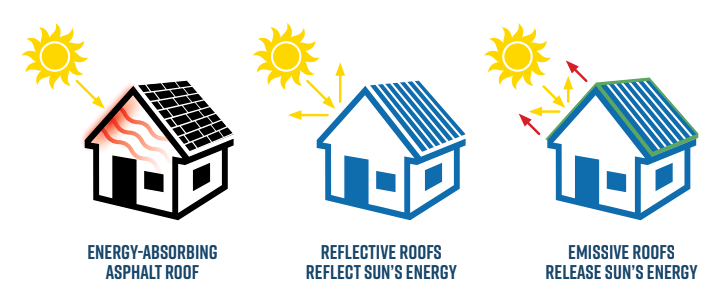
Black metal roofs can be part of an energy-efficient roofing system, but they generally absorb more solar heat than lighter-colored metal roofs. That doesn't necessarily mean your home will be hotter, though.
Roof color affects how much solar energy it absorbs or reflects. Darker colors typically absorb more heat, while lighter colors reflect more sunlight. However, the amount of heat that reaches your living space also depends on insulation, attic ventilation, and the overall roof assembly.
Many metal roofing products are available with reflective paint systems designed to reduce solar heat absorption. These coatings can improve darker colors' performance, but black roofing generally won't provide the same cooling benefits as lighter options.
According to the U.S. Department of Energy, cool roofs reflect more sunlight and absorb less solar energy than conventional roofs. This can help reduce cooling costs, particularly in warmer climates.
If energy efficiency is a priority, compare the solar reflectance ratings of the metal roofing colors you're considering. The specific paint system and roof design matter just as much as the roofing material itself.
How Do Black Metal Roofs Compare to Black Asphalt Shingles?
Black metal roofing offers several advantages over traditional black asphalt shingles, particularly when it comes to longevity and maintenance.
A properly installed and maintained metal roof can last 50 years or longer, depending on the environment and roofing system. Asphalt shingles typically last 15 to 20 years, meaning homeowners will need to replace them much sooner than a metal roof.
Metal roofing also resists cracking, rotting, and insect damage. Metal roofing also resists cracking, rotting, and insect damage. Many metal roofing systems resist wind and hail, making them a durable option for homeowners.
Both black metal roofs and black asphalt shingles absorb solar energy, so neither is automatically more energy efficient based on material alone. Their performance depends on the specific products, coatings, and roof assemblies being compared.
While metal roofing generally costs more upfront, its longer lifespan and lower maintenance requirements can make it a worthwhile investment.
Will a Black Metal Roof Fade Over Time?
Like any roofing color, black can fade over time. However, the paint system you choose plays a significant role in how well the color holds up.
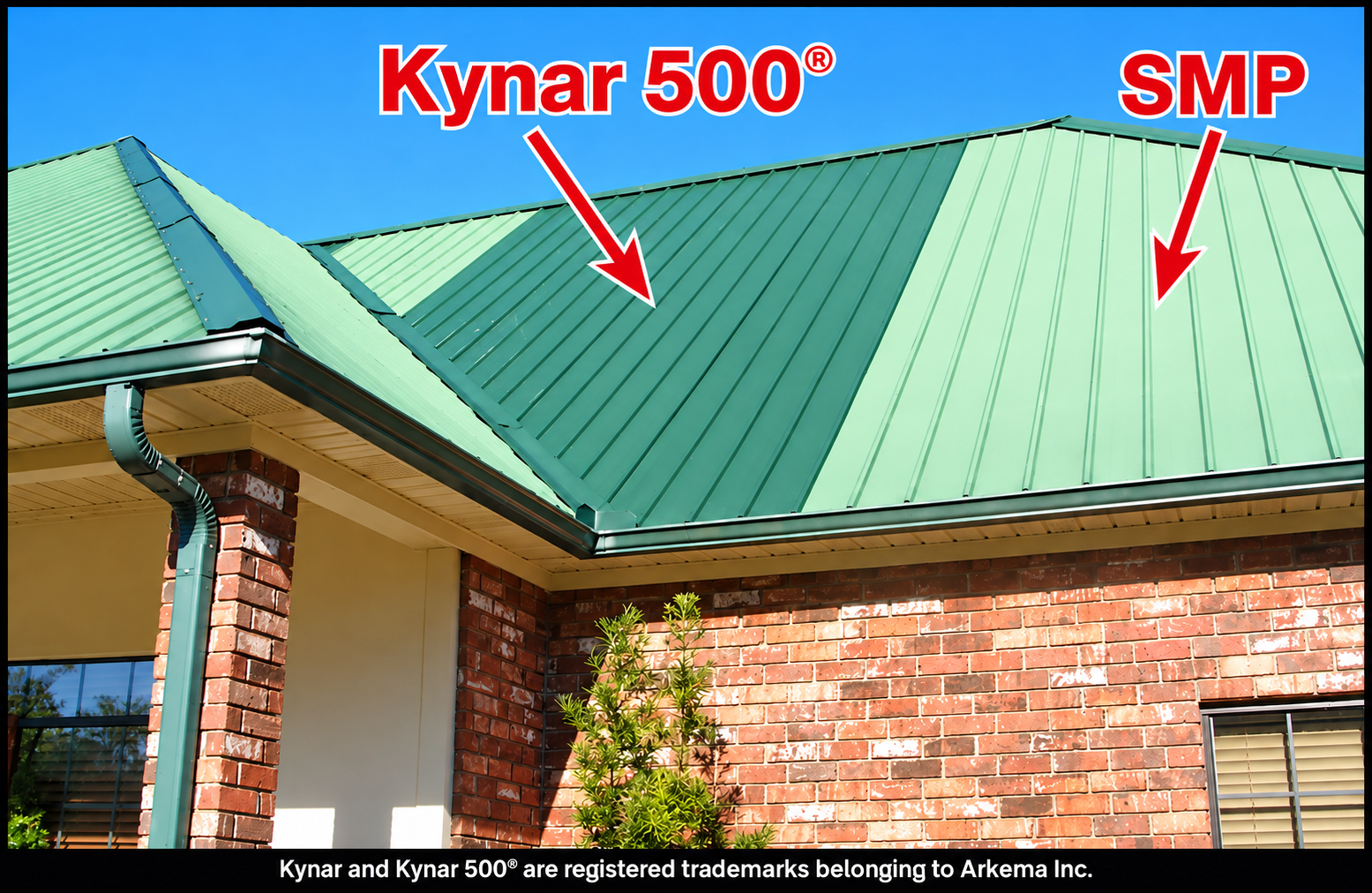
Two common paint systems used on metal roofing are silicone-modified polyester (SMP) and polyvinylidene fluoride (PVDF). While both offer durability, PVDF coatings resist fading and chalking better, which can be especially noticeable on darker colors.
Before choosing a black metal roof, review the paint system and its warranty to understand what to expect over time.
Is a Black Metal Roof Right for Your Home?
Black metal roofing offers a timeless appearance that works with a variety of architectural styles. But before choosing a color, consider your climate, panel style, and paint system to ensure you get the look and performance you want.
If you're having trouble picturing a black metal roof on your home, McElroy Metal's Visualizer lets you experiment with different colors and panel styles before making a decision.

Comments on this article:
Scroll down to the bottom to submit a comment and join the conversation. Need help or have a question? Please contact us. Looking for a distributor or contractor? Please click here to get started.