Event centers, arenas, and sports facilities operate under unique pressures that most buildings never face. These venues host large crowds, back-to-back events, televised performances, athletic competitions, concerts, and community programs—all with tight schedules and little tolerance for downtime. A roof leak over the court, a failure above the seating bowl, or water on concourses doesn't just cause inconvenience; it can cancel events, damage equipment, reduce revenue, and erode public trust.
These buildings also depend heavily on long-term capital planning. Many operate under municipal, institutional, or nonprofit budgets where every investment must support long-term durability and safety. Roofing decisions directly influence that equation. When a roof needs frequent repairs or replacement, it strains budgets, disrupts programming, and increases liability. If anything, a well-performing roof strengthens operational continuity, protects guests and athletes, and supports future expansion or modernization efforts.
Metal roofing offers event centers an ideal combination of performance characteristics: exceptional durability, low-disruption construction through recover options, and strong safety performance during fire, hail, wind, and extreme weather events. Research from the Metal Construction Association (MCA) confirms that properly installed metal roofing systems can last 60+ years, far beyond the typical service life of many commercial alternatives. Testing from the Insurance Institute for Business & Home Safety (IBHS) highlights metal's superior structural and impact resistance, while findings from the U.S. Department of Energy (DOE) show that reflective metal roofing contributes to more stable building performance.
The following sections outline how metal roofing helps event centers save money, can enhance operational performance, support sustainability objectives, reduce construction disruption, and contribute to advancing long-term safety and risk mitigation goals.
How Much Money Can Event Centers Save with Metal Roofing Over Time?
Financial Pain Point: Recurring Replacement Cycles
Traditional roofing systems often require replacement every 10-20 years, especially on large low-slope or complex structures exposed to heavy weathering. According to MCA service-life research, these short service-life cycles accumulate high costs over a building's lifetime. This can mean paying for four or more full roof replacements, each including tear-off, disposal, labor, and material costs.
Within the context of an event center budget, this repeated expenditure delays other priorities such as seating upgrades, turf or court improvements, lighting systems, technology enhancements, and guest-experience initiatives.
Metal Roofing Service Life Advantage
Galvalume® standing seam metal roofing, when properly engineered and installed, can deliver a service life of 60+ years, eliminating multiple replacement cycles. Instead of planning major roofing capital events every 10-20 years, facility managers gain long-term predictability and the ability to budget more effectively for core programming and improvements.
Energy Cost Reduction
Although not the primary benefit in this scenario, reflective metal roofing contributes to operational cost stability. The DOE's cool roof guidance shows reflective surfaces can reduce cooling loads by up to 20%. For large arenas and indoor sports complexes, even moderate reductions in heat gain help stabilize HVAC loads and extend equipment life.
What Are the Benefits of Metal Roofing for Event Center Performance?
Weather Resilience and Operational Continuity
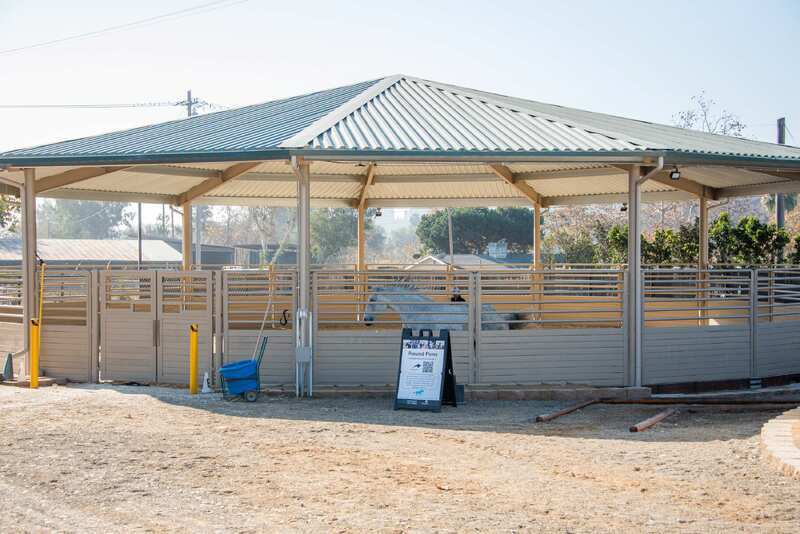
Event facilities must remain operational through storms, temperature fluctuations, and heavy roof loads, like ice or snow. Metal roofing systems are engineered for structural reliability, watertightness, and resistance to wind uplift, which is critical for wide-span roofs common in arenas and stadiums. These performance characteristics help reduce event interruptions caused by leaks, surface failures, or weather-related damage.
Fire Resistance
Metal roofing is non-combustible and supports Class A fire ratings under UL and ASTM standards. This can enhance safety in high-occupancy environments, helping protect evacuation routes, concourses, concessions, and performance areas.
Hail and Impact Resistance
Testing from the IBHS demonstrates that metal roofing offers enhanced impact resistance compared to many traditional roofing materials. For event centers located in hail-exposed regions, this can reduce repair needs, protect interior surfaces, and lower the likelihood of event cancellations due to roof damage.
Wind Resistance
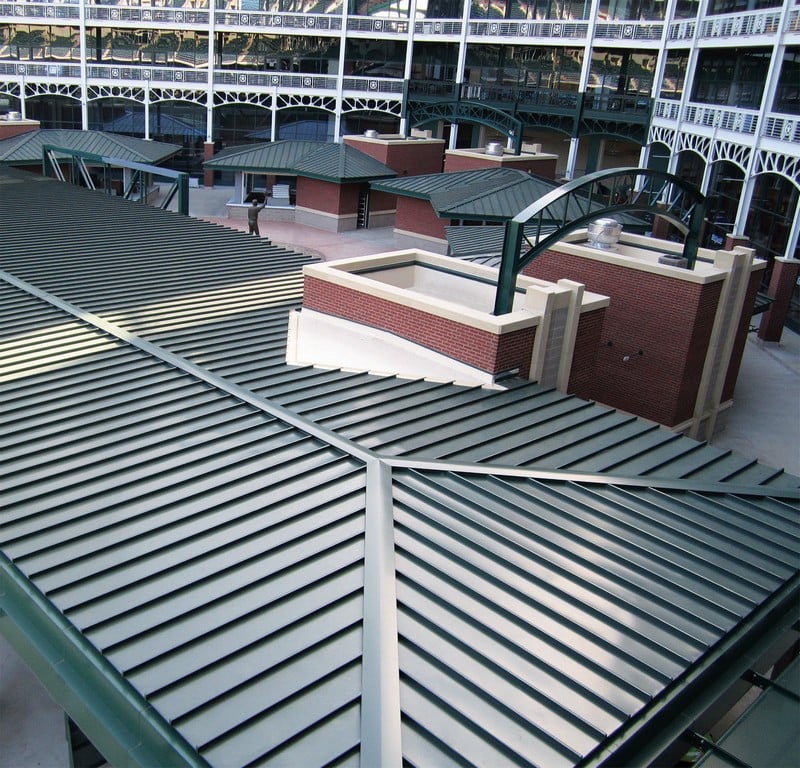
Standing seam systems use concealed clips to mechanically secure panels, providing strong wind uplift resistance. This protects large-span facilities where wind loading varies significantly across the roof geometry.
How Does Metal Roofing Support Energy Efficiency and Sustainability Goals?
Energy Efficiency Mechanisms
Reflective metal coatings reduce solar heat absorption, helping stabilize indoor conditions. As the DOE notes, cool roof technology can reduce cooling energy use and peak HVAC loads—important for large conditioned venues.
Environmental Impact Reduction
Service life has a direct impact on sustainability. Roofing waste contributes millions of tons to U.S. landfills annually; the EPA highlights this in its heat-island and construction-waste data. A metal roof reduces total waste by minimizing the need for replacements.
Recyclability and Circular Economy
Metal roofing contains high recycled content and is 100% recyclable at the end of life, according to the MCA. This supports sustainability initiatives for municipalities, universities, and professional sports organizations seeking to demonstrate responsible stewardship.
Solar Integration
Standing seam metal roofs offer an optimal platform for solar because non-penetrating clamps attach arrays directly to seams, avoiding penetrations that could compromise weathertightness. This allows the roof to outlast multiple generations of solar equipment and protects long-term renewable energy investments.
Can Metal Roofing Reduce Disruption During Event Center Construction Projects?
Unique Operational Constraints
Event centers run year-round schedules; games during the school year, camps or tournaments in the summer, concerts and graduations on weekends, and community events in between. Rescheduling or canceling events due to roofing work disrupts revenue and community expectations.
Recover Application
Metal roofing supports recover solutions, where a new system is installed over the existing roof when conditions allow. This approach dramatically reduces disruption by eliminating tear-off and minimizing exposure of the building interior. Recover strategies also reduce debris, shorten active construction windows, and allow facilities to remain operational throughout the project.
Environmental Quality During Construction
Recover applications help reduce dust, debris, and noise, which are important for indoor sports practices, rehearsals, or small events occurring during construction periods.
Project Timeline Optimization
Recover systems often allow work to be phased around event calendars, off-seasons, academic breaks, and other scheduling windows.
Cost and Regulatory Benefits
Recover strategies reduce disposal costs and may help meet energy code requirements with streamlined assembly upgrades, depending on local jurisdiction and roof design.
What Safety Benefits Does Metal Roofing Provide for Event Centers?
Metal roofing contributes to a safer building environment by improving fire performance, enhancing resilience during severe weather, supporting structural stability, and reducing conditions that can lead to accidents or operational shutdowns.
Non-Combustible Fire Performance
Metal roofing is non-combustible and does not contribute to flame spread, making it well-suited for public assembly buildings where fire safety and evacuation planning are critical. A non-combustible roof surface helps protect structural components, reduces ignition risk, and supports overall fire-protection strategies in facilities that incorporate concession operations, electrical systems, production equipment, or pyrotechnic elements.
Enhanced Protection Against Regional Weather Hazards
Hail Resistance
Testing from the Insurance Institute for Business & Home Safety demonstrates that metal roofing offers superior resistance to hail impact compared to many conventional materials. For event centers, this helps reduce the likelihood of roof penetrations that can lead to leaks, equipment damage, or unsafe interior conditions during events.
Wind Uplift Performance
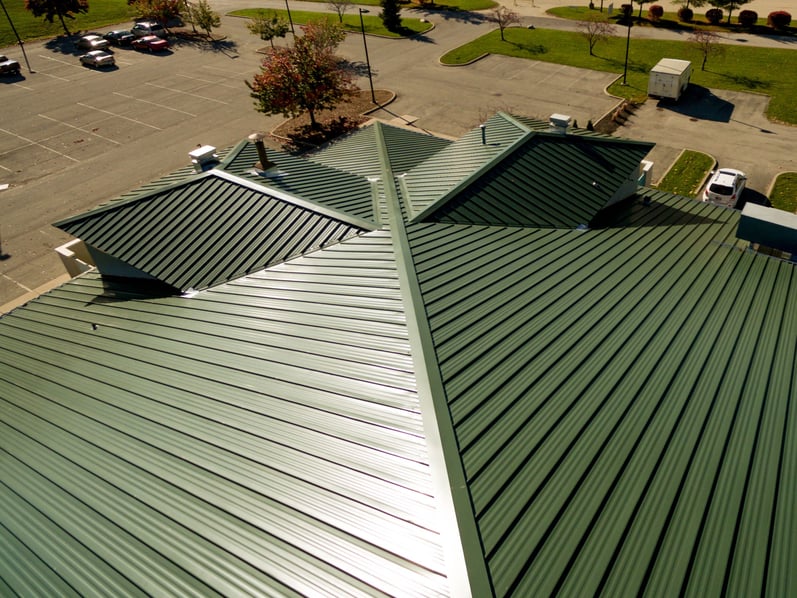
Standing seam metal roofing systems are engineered for exceptional wind-uplift performance through concealed-fastener attachment and continuous panel engagement. This design helps reduce the risk of partial or full roof failure during strong wind events, supporting occupant safety and minimizing interior and exterior debris hazards.
Structural Stability Across Large Roof Areas
Arenas and multipurpose facilities often feature long spans and roof areas that support catwalks, rigging, lighting grids, and mechanical systems. Metal roofing is designed to accommodate thermal movement and dynamic loads without compromising secure attachment. This stability reduces the risk of progressive panel failure and supports the integrity of equipment that may be suspended or mounted near the roof structure.
Improved Moisture Management and Indoor Environment Safety
Water intrusion can create hazardous conditions inside event venues, including slip risks, equipment failure, mold development, and damage to courts or performance spaces. When paired with appropriate underlayment and flashing details, metal roofing provides an effective weather barrier that helps prevent leaks and moisture-related hazards. Reducing exposure to interior moisture is critical for maintaining safe circulation areas, protecting electrical and audio-visual equipment, and ensuring consistent event operations.
Lower Overall Risk Profile for Insurance and Life-Safety Planning
Because of its performance in fire, wind, and impact scenarios, metal roofing is often regarded as a lower-risk system by insurers. While specific incentives vary, metal's demonstrated resilience often contributes to improved loss-control profiles and aligns with safety and risk-management practices expected in large public assembly buildings.
What Matters Most
With service lives exceeding 60+ years, low-disruption construction options through recover strategies, and enhanced protection against fire, hail, and wind-driven events, metal roofing aligns perfectly with the mission of event facilities: serving athletes, fans, performers, and the community.



.png?width=440&height=293&name=R%20Panel%20vs%20Ag%20Panel%20(1).png)
Comments on this article:
Scroll down to the bottom to submit a comment and join the conversation. Need help or have a question? Please contact us. Looking for a distributor or contractor? Please click here to get started.