It's 2:00 a.m., and thunderstorms are moving through the area. By the morning shift, water is dripping onto palletized inventory, employees are relocating products, and shipping is already falling behind.
For warehouse owners and facility managers, a roof leak can quickly become an operational problem. That's why choosing a new roof isn't simply a maintenance decision. It's an investment in protecting the building and the work happening beneath it.
If your current roof is nearing the end of its service life, it's important to understand how a metal roofing system may support your facility.
How Can a Metal Roof Reduce Long-Term Costs for a Warehouse?
A metal roof may cost more upfront, but it can last two to three times longer than many other roofing options. With an expected service life of 50 to 60 years, metal roofing can extend the time between major roofing projects and reduce how often owners must budget for replacement.
That matters because replacing a warehouse roof involves more than purchasing materials and hiring a contractor. It also requires safety planning, coordination with facility personnel, and preparation inside and outside the building.
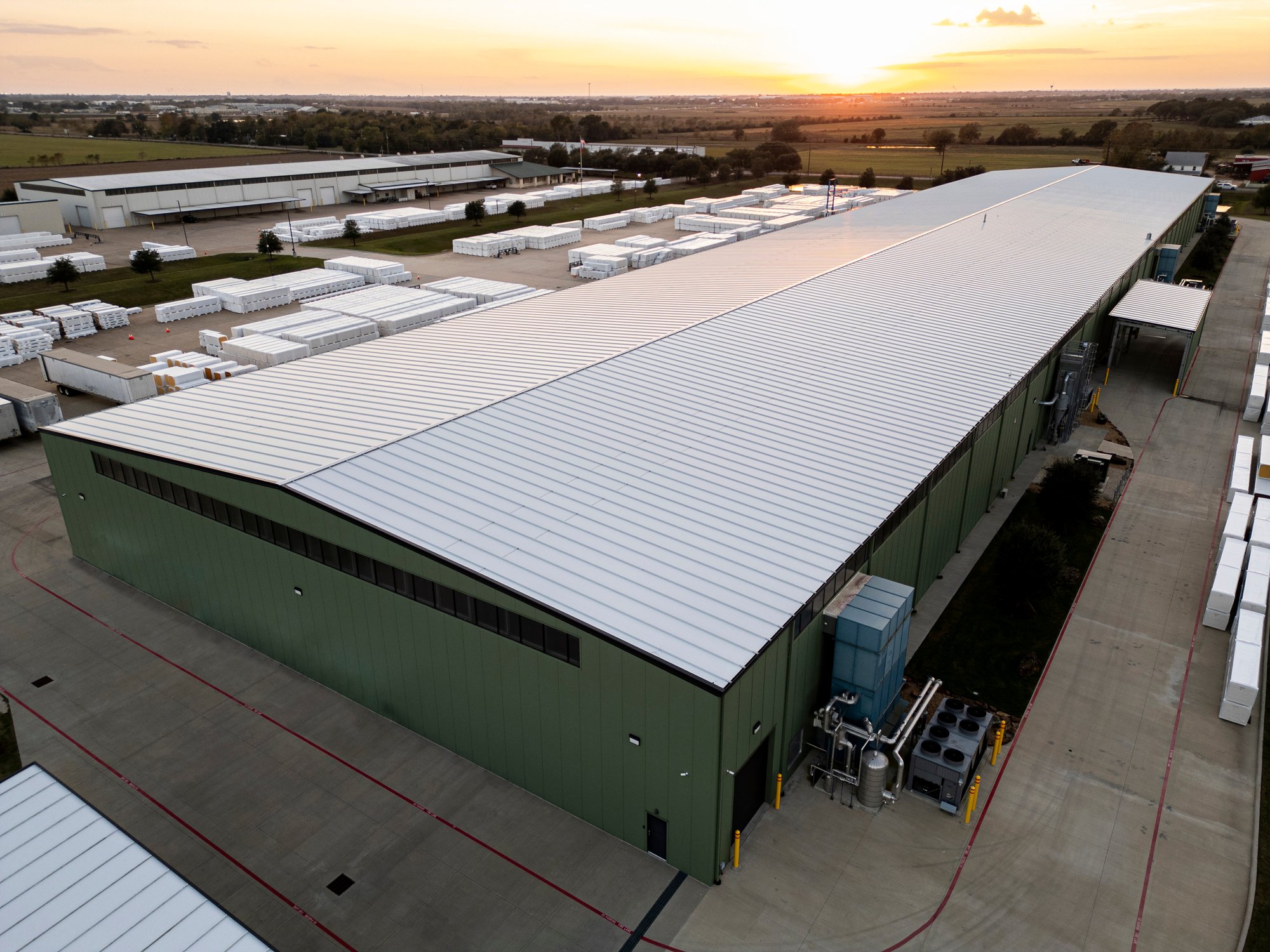
For warehouses with long roof runs, onsite manufacturing can also contribute to long-term performance. Through onsite rollforming, McElroy Metal can produce continuous panels up to approximately 250 feet long for select standing seam systems. These single-piece panels eliminate end laps, reducing potential leak points and improving weathertightness.
Maintenance and energy performance can also affect the long-term cost of owning the roof. Metal roofing typically requires less maintenance than many other options, although regular inspections are still important. Reflective finishes can also help reduce solar heat gain, but the effect on energy costs will vary based on the climate, insulation, HVAC system, roof color, and warehouse design.
Looking beyond the installation price provides a clearer picture of what the roof may cost over its service life. For owners and facility managers, fewer replacements, reduced maintenance needs, and potential energy savings can all affect the long-term value of the investment.
How Does a Metal Roof Help Keep Warehouse Operations Running?
Reaching the 50- to 60-year service life that metal roofing can offer depends on more than the panels themselves. The system must be designed for the warehouse's location, roof slope, structure, and exposure to severe weather.
Heavy rain, hail, high winds, and other severe weather can test any roof. How well the system performs depends on more than the metal panels. The attachment method, substrate, flashing details, and installation all play a role.
Fire performance may also factor into the decision. Metal roof panels are noncombustible, although the fire performance of the complete roof assembly depends on its design and all the components used.
Can a Warehouse Roof Be Replaced While the Facility Remains Open?
In many cases, a warehouse can remain operational during a metal roofing project. Doing that successfully requires a plan that accounts for what is happening inside and around the building each day.
For example, roofing work near loading areas may need to be scheduled around deliveries. Inventory may need additional protection in the active work zone, and employees may need temporary access routes. These details are easier to manage when the contractor and facility manager discuss them before work begins.
One of the first questions is whether the existing roof needs to be removed. Depending on its condition and local building code requirements, the warehouse may qualify for a roof recover system. A recover allows a new roofing system to be installed over the existing roof, which reduces demolition, the risk of inventory damage, and the amount of construction debris generated by a complete tear-off.
Not every building is a candidate. Trapped moisture, deteriorated roofing materials, structural concerns, or code requirements may make a complete removal necessary. An experienced contractor can inspect the roof and explain which options are appropriate instead of assuming a recover will work for every warehouse.
If a complete replacement is required, the project may be completed in phases to help limit disruption. Work areas, deliveries, employee access, and protection inside the building can all be coordinated around the facility's schedule.
What Should You Know Before Comparing Warehouse Roofing Systems?
Before comparing roofing systems, you need a clear picture of the roof you already have. Visible leaks are important, but they don't always reveal the full condition of the roof.
Moisture within the existing roof assembly, drainage problems, damaged materials, structural concerns, and the condition of rooftop penetrations can all affect the available options. An inspection can help identify those issues before they lead to surprises during construction.
You should also think about your plans for the warehouse. If the building will remain part of your operation for decades, a higher initial investment, like metal roofing, may make sense when it provides a longer expected service life. If your ownership plans are shorter, you may weigh the options differently.
Once you understand the condition of the existing roof and your plans for the building, you can begin comparing systems based on what the warehouse actually needs. Ask about expected service life, maintenance requirements, warranties, code compliance, and how the work will be scheduled around your operation.
The contractor's experience matters as well. Warehouse roofs can cover a large area and include drainage points, rooftop equipment, penetrations, loading zones, and other details that require careful planning. A contractor with commercial metal roofing experience can help you understand the recommendations and identify potential complications before the project begins.
Is a Metal Roof the Right Investment for Your Warehouse?
A metal roof may be the right investment if its expected service life, maintenance needs, performance, and installation options fit your warehouse and long-term plans. There isn't one roofing system that is right for every facility, so the decision should be based on more than installation price alone.
Start the evaluation before recurring repairs or leaks force you to make a quick decision. That gives you time to understand the condition of the existing roof, compare appropriate metal roofing systems, and plan the project around your operation.
The goal isn't simply to put a new roof on the warehouse. It's to choose a system that makes sense for the building, the budget, and the way the facility will be used in the years ahead.


.jpg?width=767&name=Can%20You%20Paint%20a%20Metal%20Roof_%20(4).jpg)
.png?width=440&height=293&name=R%20Panel%20vs%20Ag%20Panel%20(1).png)
Comments on this article:
Scroll down to the bottom to submit a comment and join the conversation. Need help or have a question? Please contact us. Looking for a distributor or contractor? Please click here to get started.