
Many homeowners no longer evaluate roofing materials based on a single weather threat. A roof that survives a hailstorm in April may face wildfire risk in July, hurricane-force winds in September, and an ice storm in January. While most roofing materials are tested and rated against individual hazards, a properly specified metal roof is one of the few roofing systems capable of achieving top performance ratings across all four.
That distinction becomes more important when a roof is exposed to years of changing weather conditions rather than a single storm. Understanding how roofing systems perform against fire, hail, wind, and freeze-thaw conditions and how those systems should be specified for a particular region can help homeowners make a more informed roofing decision.
Why are homes facing more severe weather threats in a single year?
Homes across much of the United States now face overlapping severe weather risks. In some regions, homeowners may contend with wildfire danger during one season, severe hail and wind storms during another, and ice or winter weather a few months later. As a result, a single home can experience multiple weather hazards within the same calendar year.
Wildfire risk is becoming a year-round concern in some areas of the country. As Metal Roofing Alliance Executive Director Renee Ramey explains, “In some places, there really isn't a wildfire season anymore; it's essentially all year long.”
The challenge is not limited to wildfire. Hail, damaging winds, tornadoes, and other severe storm events continue to create significant property damage across the United States. According to the Insurance Information Institute, severe convective storms generated more than $50 billion in insured losses for the third consecutive year, underscoring the financial impact these events can have on homeowners.
The growing overlap of these hazards is changing how homeowners evaluate roofing materials. Rather than preparing for a single weather threat, many homeowners are looking for roofing systems that can withstand a range of conditions over time.
That reality highlights an important shift in roofing decisions. The question is no longer whether a roof can withstand a single severe weather event, but how well it will perform after years of weather-related stress and occasional extreme events. Understanding how different roofing materials respond to those combined challenges is becoming an increasingly important part of the decision-making process.
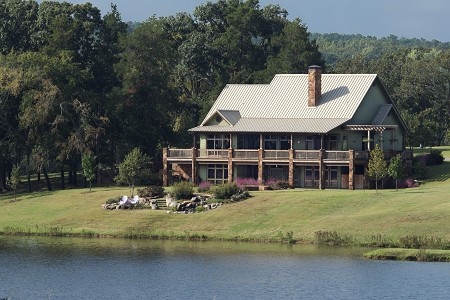
Can a typical asphalt shingle roof handle multiple severe weather threats?
Asphalt shingles can provide reliable protection for many homes, but they are typically tested and rated against individual weather hazards rather than multiple threats acting together over time. A roof that performs well during one severe weather event may become more vulnerable after years of exposure to hail, wind, temperature fluctuations, and other environmental stressors.
One reason is that weather-related damage often builds over time. Research from the Insurance Institute for Business & Home Safety (IBHS) has shown that hail impacts can contribute to granule loss and other forms of damage that may accelerate the aging of asphalt shingles. A roof may appear intact after a storm while still experiencing wear that affects its ability to withstand future weather events.
Before replacing a roof, homeowners should ask a different question. Rather than asking whether a roofing material is rated for the worst storm in your history, it may be more useful to ask whether it is rated to withstand the range of weather threats common to your region. A roof's durability often depends on how it handles repeated exposure to different hazards over time, not just a single event.
How does a metal roof perform against wildfire and ember intrusion?
Metal roofs can achieve a Class A fire rating, which represents the highest level of fire protection recognized for roofing systems. Because metal is noncombustible, it does not burn or contribute fuel to a fire the way combustible roofing materials can. This makes metal roofing a strong option for homeowners in areas where wildfire risk is a concern.
One of the biggest wildfire threats is not the fire itself, but the embers carried ahead of it. Wind-driven embers can travel long distances and land on roofs, in gutters, or around other vulnerable areas of a home. If those embers come into contact with combustible materials, they can create ignition points well before the main fire arrives. For that reason, wildfire-resistant construction often focuses on reducing opportunities for ember-driven ignition rather than preparing only for direct flame exposure.
Because roofing materials play an important role in that strategy, homeowners should consider both the fire rating of the roofing system and the materials used throughout the roof assembly.
McElroy Metal manufactures roofing panels with a Galvalume® substrate, an aluminum-zinc-coated steel used across many of its standing seam and exposed fastener product lines. When incorporated into a properly designed roof assembly, these systems can achieve a Class A fire rating, the highest fire-resistance classification available for roofing systems.
How does a metal roof perform against hail and impact damage?
Metal roofs are designed to withstand impacts that can crack, dislodge, or damage other roofing materials. Many metal roofing systems are available with a UL 2218 Class 4 impact rating, the top classification used to evaluate a roof's resistance to hail impacts. For homeowners in hail-prone regions, that added durability can be an important consideration when evaluating how a roof will hold up over time.
Impact ratings are determined through standardized testing that evaluates how roofing materials respond to simulated hail impacts. While no roofing material is completely immune to damage, impact-rated metal roofing systems are designed to remain functionally intact even after significant hail events. In many cases, the damage is cosmetic rather than structural, allowing the roof to continue protecting the home.
Many metal roofing systems used in hail-prone regions are available with durable PVDF paint finishes designed to withstand years of harsh weather exposure. McElroy Metal offers several profiles commonly selected for these applications, including Maxima, Medallion-Lok, and Max-Rib. When evaluating hail resistance, homeowners should consider not only impact ratings but also how the roofing system is expected to perform after years of hail and seasonal weather conditions.
How does a metal roof perform against extreme wind and tornadic events?
A properly installed metal roof can provide exceptional wind resistance. According to the Metal Roofing Alliance, metal roofing systems can be rated to withstand wind speeds associated with an F2 tornado, or approximately 113 to 157 mph on the Fujita Scale. Performance depends not only on the roofing material itself but also on how the system is engineered and installed.
One reason metal roofing performs well in high-wind environments is the way many standing seam systems are attached. Unlike individual shingles, standing seam panels interlock across the roof surface, helping distribute wind loads across the roofing system. When combined with the proper clip system, fastener pattern, and installation details, this design can help resist wind uplift forces during severe weather events.
Within the McElroy Metal product lineup are roofing systems that meet some of the industry's most demanding wind-performance requirements, including approvals for the Florida High Velocity Hurricane Zone (HVHZ). These approvals evaluate the performance of the complete roofing assembly, not just the panel. For homeowners in hurricane-prone or high-wind regions, that distinction reinforces an important point: wind resistance is engineered into the entire roofing system through proper design, testing, and installation.
How does a metal roof perform against snow, ice, and freeze-thaw cycles?
Metal roofs perform well in cold climates because they shed snow efficiently and are resistant to many of the issues associated with freeze-thaw cycles. The smooth surface of a metal roof allows accumulated snow to slide more easily than on rougher roofing materials, helping to reduce snow accumulation and structural loading. That same characteristic is one reason snow guards and snow retention systems are often incorporated into roof design to help manage where and how snow is released.
Freeze-thaw cycles can be particularly hard on roofing materials when water becomes trapped and repeatedly freezes and expands. Over time, that process can contribute to deterioration and weather-related wear. Metal roofing is also less prone to ice dam formation than many traditional roofing systems, although proper insulation, ventilation, and roof design remain important factors in managing winter moisture and temperature conditions.
Cold-climate performance depends on more than the roofing panel alone. The roofing panel, underlayment, insulation, ventilation, and snow management components all work together to support long-term performance. Snow retention and snow guard systems are available for McElroy Metal roofing profiles, helping manage snow movement above entrances, walkways, and other areas where controlled snow retention may be desirable.
How do you specify a metal roof to perform against all four risks at once?
Specifying a metal roof for multiple weather hazards starts with understanding the weather risks common to a particular region. A properly specified metal roofing system can provide protection against fire, hail, wind, and winter weather without requiring homeowners to prioritize one threat at the expense of another. The focus is on selecting a roof assembly designed to deliver balanced performance across the range of conditions a home may experience over time.
The roofing panel is only one part of that equation. Panel profile, substrate, paint system, underlayment, attachment method, and installation quality all influence roof condition over time. In general, mechanically seamed standing seam systems offer the highest levels of wind and weather resistance, while snap-lock and exposed fastener systems may be appropriate for other applications depending on project goals and budget. Homeowners should also work with contractors who can document the ratings, testing, and code approvals associated with the complete roof assembly.
McElroy Metal's product lineup includes roofing systems designed for a wide range of weather conditions and project requirements. Whether the priority is wildfire resistance, hail protection, wind performance, or snow management, working with a qualified contractor can help ensure the roof assembly is properly specified for the demands of the project.
A roof may face fire, hail, wind, and winter weather over its lifetime. While no roofing material is immune to every weather event, selecting a system designed to address multiple hazards can help homeowners make a more informed long-term investment.


.jpg?width=767&name=Can%20You%20Paint%20a%20Metal%20Roof_%20(4).jpg)
.png?width=440&height=293&name=R%20Panel%20vs%20Ag%20Panel%20(1).png)
Comments on this article:
Scroll down to the bottom to submit a comment and join the conversation. Need help or have a question? Please contact us. Looking for a distributor or contractor? Please click here to get started.