Government buildings are long-term community assets. From city halls and courthouses to public safety facilities, administrative offices, and public works buildings, these structures are expected to perform reliably for decades, often under constant use and public scrutiny.
This reality influences why metal roofing and wall systems are frequently specified for government facilities. When properly designed, detailed, and installed, metal systems support predictable performance, manageable maintenance, and extended service life; qualities that align well with responsible public ownership.
Understanding the Unique Needs of Government Facilities
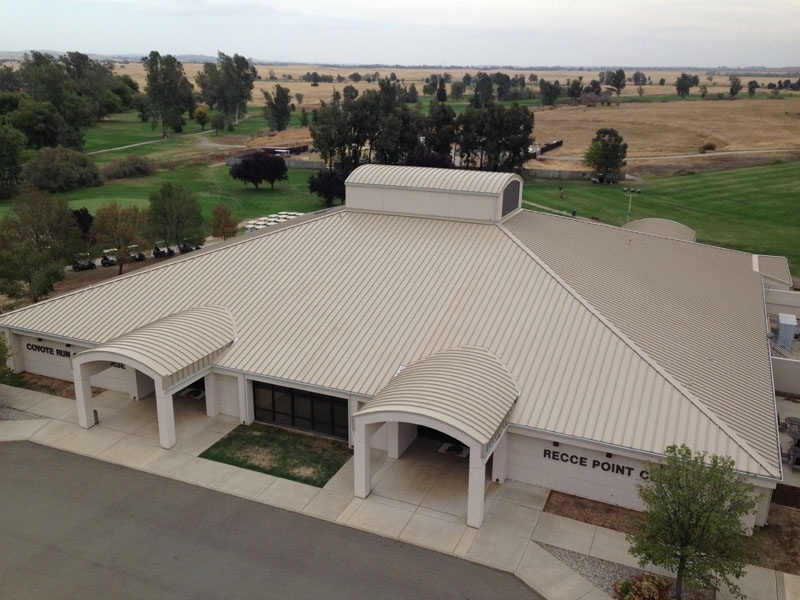
Government buildings operate under a different set of expectations than most commercial or residential structures. Funding is publicly sourced, maintenance teams are often responsible for multiple facilities, and decision-making must withstand long-term stakeholder evaluation.
Material decisions on public buildings are commonly evaluated based on expected service life and replacement intervals, maintenance demands over time, performance under environmental exposure, compliance with applicable building codes and standards, and lifecycle value rather than the lowest upfront cost.
This lifecycle focus often drives design teams to solutions that perform predictably with fewer replacements, and metal roofing and wall systems fit well within this framework when specified appropriately.
Durability and Long-Term Performance Expectations
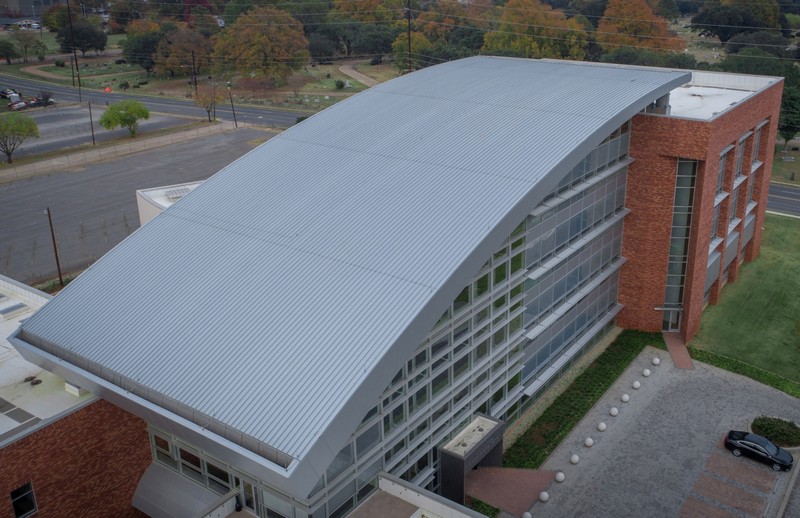
Government buildings are rarely designed with short lifespans in mind. Many are expected to remain in service for several decades, often with multiple renovations or changes in use over time.
Metal roofing and wall systems are commonly selected because they resist rot, split, or warping, which can affect other materials. They accommodate normal expansion and contraction from temperature changes when properly detailed, maintain structural integrity under repeated weather exposure, and allow for localized repairs rather than full-system replacement in many cases.
These characteristics are especially valuable for public buildings where disruptive tear-offs or frequent replacements can interfere with ongoing operations and strain maintenance budgets.
Importantly, durability is not inherent to material alone; long-term performance depends on system selection, detailing, installation quality, and ongoing maintenance. When those elements are aligned, metal systems tend to exhibit predictable performance and manageable aging.
Weather Exposure and Resilience Considerations
Many government facilities are considered essential or mission-critical, making resilience to severe weather an important factor in exterior system selection.
Metal roofing systems can be engineered and tested to meet project-specific wind and uplift requirements, support water-shedding detailing, and perform across diverse climates. Proper attachment methods and detailing are essential to achieve this level of performance and are governed by codes and testing standards that validate system capability.
While no roofing system is inherently immune to extreme weather, metal panels can be incorporated into assemblies and attachment methods that address specific performance requirements for wind resistance, rain penetration, and environmental exposure when designs are vetted by qualified engineers.
Design Flexibility Without Excess Complexity
Government buildings often prioritize function, but appearance still matters, especially for civic structures that represent shared community values.
Metal roof and wall systems offer design flexibility without unnecessary complexity. Designers can maintain a clean, professional aesthetic, use consistent materials across phased construction or future additions, select profiles and finishes that complement the surrounding architecture, and balance visual impact with constructability and budget control.
This adaptability makes metal systems suitable for both prominent civic buildings and more utilitarian facilities, such as public works buildings, without requiring overly complicated design details.
Codes, Standards, and Documentation Requirements
Government construction requires a high level of transparency and accountability. Roofing and wall systems used in public projects must meet applicable building codes and often require clear documentation to support public bidding, review, and approval processes.
Metal roofing and wall systems are supported by verified testing for resistance to elements such as wind uplift, air infiltration, and water penetration. They offer clearly defined installation and performance requirements, compatibility with state and local building codes, and documentation that supports procurement and compliance reviews.
Building codes have evolved in response to performance expectations and environmental challenges. For example, wind resistance and edge securement requirements have been formalized through codes and referenced standards as part of modern code development. These developments reflect a broader industry acknowledgment of how resilient components contribute to overall building performance.
Clear documentation and tested assemblies are especially important in the public sector, where material decisions must be defensible long after construction completion.
Click here to see the Building with Metal podcast episode on Navigating Code Changes.
Energy Performance and Sustainability
Energy efficiency and environmental responsibility are increasingly important for government buildings, driven by operating costs, regulatory requirements, and sustainability initiatives. Metal roofing and wall systems can support these goals by providing a platform for insulation strategies that improve thermal performance, supporting cool-roof approaches when appropriate coatings and colors are specified, maintaining performance characteristics over long service lives, and being recyclable at the end of their service life.
One widely discussed strategy is the cool roof, which uses reflective materials to reduce solar heat gain, lowering heat transfer into the building and reducing cooling energy needs. Cool roofs reflect more sunlight and emit heat more effectively than conventional roofs, which can improve indoor comfort and reduce energy demand during hot periods.
Energy performance for government buildings depends on system design, insulation, air sealing, and finish selection. Metal alone does not guarantee energy savings, but it provides a durable platform for meeting efficiency targets when paired with appropriate design strategies.
Roofing and Wall System Applications Across Government Facilities
Metal roofing and wall systems are used across a wide range of government building types, including city halls and municipal offices, courthouses and judicial facilities, police, fire, and emergency response buildings, public works and maintenance facilities, state and federal administrative buildings, and transportation and infrastructure-related structures.
Each application brings different performance priorities, such as aesthetics for civic spaces, durability for service buildings, or resilience for emergency facilities. Metal systems can be adapted to these varied needs through thoughtful specification and detailing.
Maintenance Planning and Ongoing Service
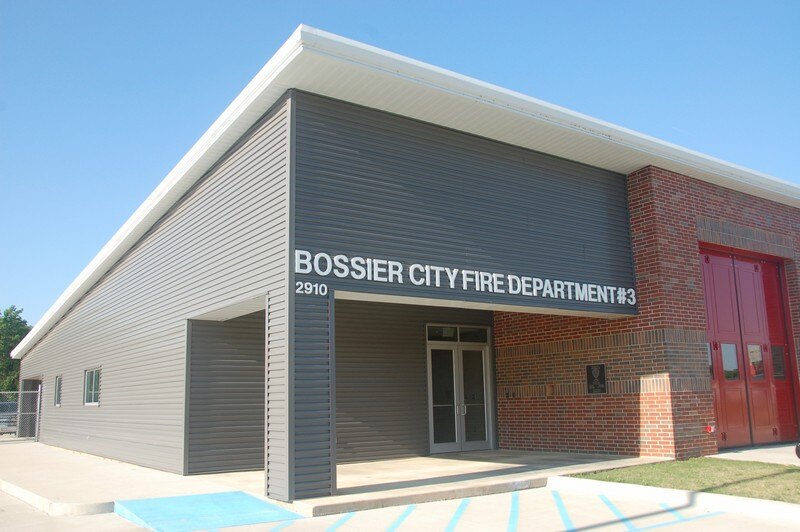
Government buildings are typically designed for continuous use, which places added importance on predictable maintenance and performance. Roofing and wall systems must support routine inspection, planned maintenance, and repair strategies that minimize disruption to daily operations.
When properly detailed and installed, metal roofing and wall systems allow maintenance teams to conduct routine inspections at defined intervals, identify and address localized issues before they escalate, perform targeted repairs without large-scale system disruption, and maintain consistent performance across multiple buildings or campuses.
Rather than relying on reactive maintenance, metal systems support a more proactive approach, where performance characteristics and inspection points are well understood. This predictability is especially valuable for facilities that operate year-round or support essential services.
Routine maintenance remains an important part of any building envelope strategy. However, metal roofing and wall systems often simplify long-term planning by offering known performance behavior over time, allowing maintenance activities to be scheduled and managed with greater confidence.
Supporting Renovation and Retrofit Projects
Many government buildings are not new. Renovations, expansions, and retrofits are common as facilities evolve to meet changing needs.
Metal roofing and wall systems are frequently used in these projects because they can integrate with existing structures, support phased construction while buildings remain occupied, provide opportunities to improve performance without full replacement, and allow exterior upgrades that extend building life.
This adaptability makes metal a practical option for extending the useful life of public buildings while minimizing disruption to daily operations.
Recover and Retrofit Roofing Systems for Government Buildings
For many government facilities, full roof removal and replacement is not always the most practical or cost-effective approach. When an existing roof assembly is structurally sound, recover or retrofit roofing systems may be evaluated as part of a long-term facility strategy, depending on existing conditions and project requirements.
Recover systems are typically installed over an existing roof assembly when structural conditions allow. In these applications, structural standing seam panels such as 138T, 238T, and Trap-Tee may be used to create a new metal roof surface while reducing tear-off, limiting disruption to building operations, and minimizing material sent to landfills. Recover solutions are often considered for occupied government buildings where maintaining operations during construction is critical.
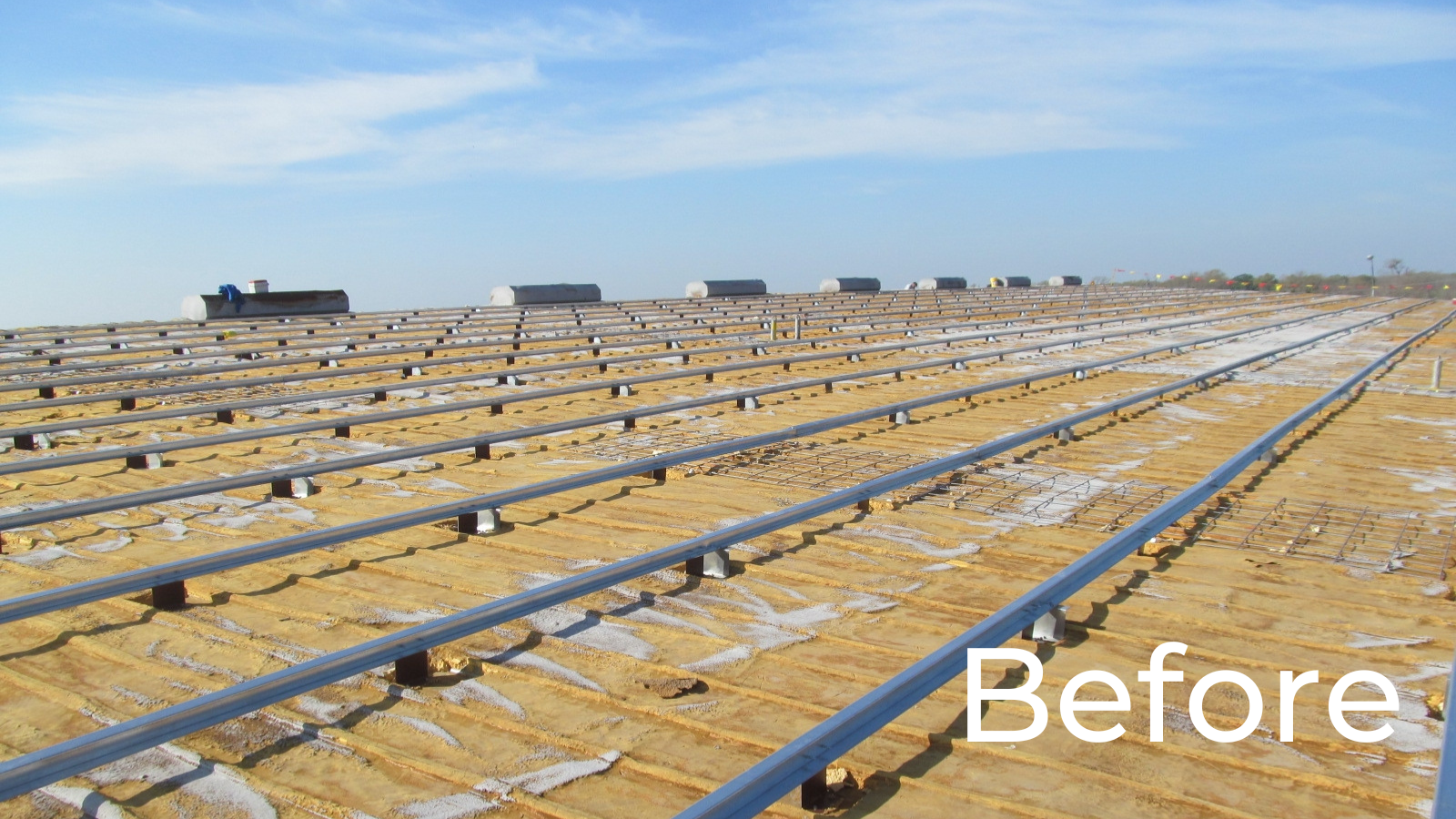
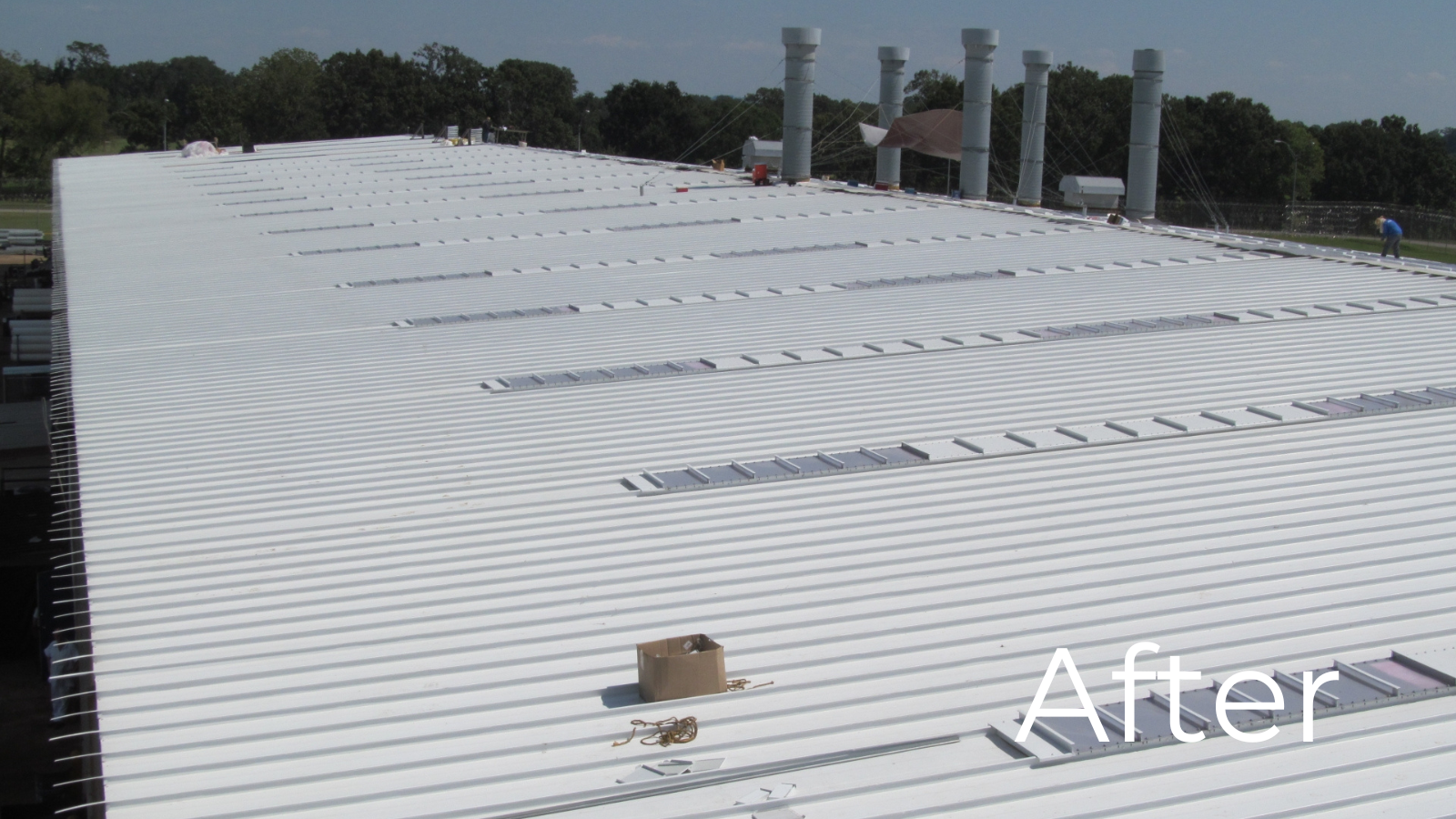
Retrofit systems involve the installation of a new metal roof over an existing structure using engineered sub-framing to address slope, drainage, or structural alignment. In these applications, 238T panels, when incorporated into a designed retrofit assembly, may be used as part of a complete retrofit system intended to improve long-term roof performance and extend the service life of the building.
As with any roofing solution, recover and retrofit systems require careful evaluation. Structural capacity, existing roof condition, code compliance, and long-term performance expectations must all be reviewed during design. When properly engineered and installed, these systems can support predictable performance, budget control, and long-term planning for public facilities.
By reducing tear-off and disposal, recover and retrofit systems may also support waste-reduction and sustainability goals commonly associated with public-sector building initiatives.
Final Takeaway
Metal roofing and wall systems are not a one-size-fits-all solution. However, many government buildings provide a practical balance of performance, longevity, and lifecycle value.
With careful specification, verified performance criteria, and qualified installation, metal systems remain a dependable choice for public facilities built to serve communities for decades.



.png?width=440&height=293&name=R%20Panel%20vs%20Ag%20Panel%20(1).png)
Comments on this article:
Scroll down to the bottom to submit a comment and join the conversation. Need help or have a question? Please contact us. Looking for a distributor or contractor? Please click here to get started.