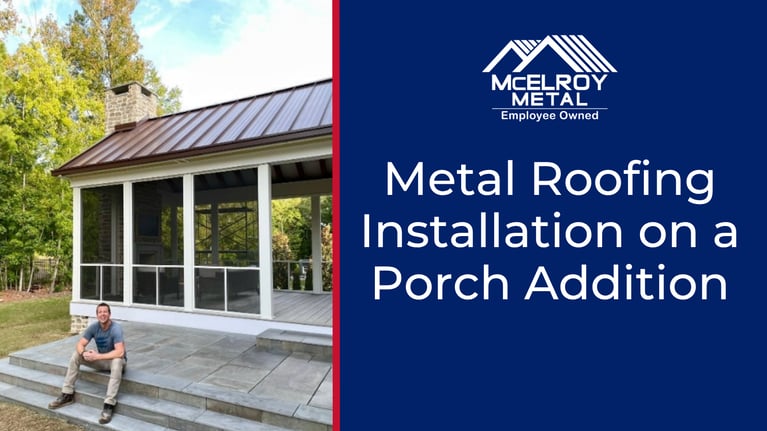
Sometimes the best way to learn about metal roofing isn't reading through spec sheets or manufacturer brochures. Sometimes you just need to see it happen in real life. That's exactly what makes the Mason Dixon Acres project so valuable for homeowners exploring their metal roofing options.
Alex and Elaina faced the same decisions every homeowner encounters when choosing a metal roof—panel style, attachment method, and paint system. After weighing mechanically seamed, snap-together, and exposed fastener systems, they landed on our Max-Rib exposed fastener panel. Their reasoning? Cost efficiency and straightforward installation. But their decision-making didn't stop there, and the choices they made along the way offer practical lessons for anyone considering metal roofing.
Watch their installation story unfold in the video below, set to some upbeat background music that makes the whole process look as smooth as it was.
What Makes Exposed Fastener Panels a Smart Choice for Residential Projects?
Metal roofing continues gaining ground in the residential market, now holding more than 20% market share according to recent industry data. Within this expanding market, exposed fastener systems hold strong appeal for cost-conscious homeowners who don't want to sacrifice durability.
As the name suggests, exposed fastener panels attach with screws that pierce through the metal and into the substructure below. After installation, these fasteners remain visible—though color-matched screws make them far less noticeable than you might expect. The Max-Rib panel that Alex and Elaina selected features a 3/4" tall rounded rib with 9" on-center rib spacing, creating a softer aesthetic profile well-suited for roof pitches of 3:12 or greater.
The real advantage comes down to economics and efficiency. Exposed fastener panels typically cover 36" of roof area per panel, meaning contractors handle fewer panels during installation. Fewer panels mean faster installation, and faster installation means lower labor costs passed along to you. For homeowners watching their budget without compromising on the 40 to 50-year lifespan that metal roofing delivers, exposed fastener systems hit a sweet spot that concealed fastener options simply can't match at the same price point.
The next video in this series walks you through Alex and Elaina's complete decision-making process—and perhaps more importantly, explains the reasoning behind each choice they made.
How Does Paint Choice Affect Your Metal Roof's Long-Term Appearance?
Here's where Alex and Elaina made a decision that separates informed homeowners from those who learn expensive lessons later. While they selected a budget-friendly exposed fastener panel system, they paired it with a top-of-the-line Kynar 500® Fluropon finish for their black roofing panels. This wasn't an accident—it was smart planning.
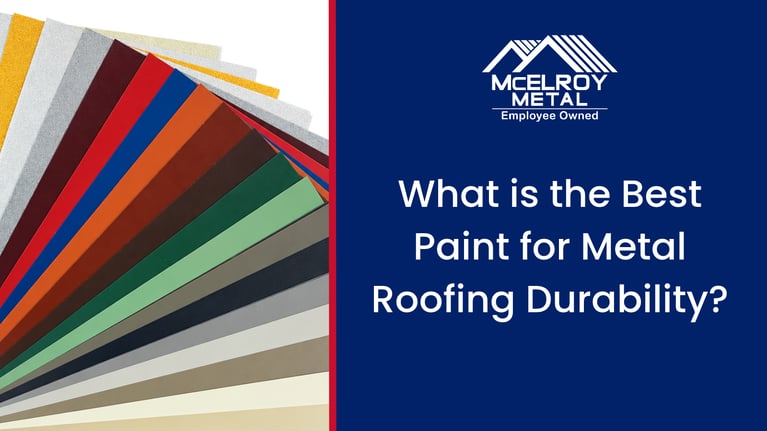
Kynar 500® PVDF resin-based coatings have been the gold standard for architectural metal since their introduction in 1965. Six decades later, these coatings remain the industry benchmark for a simple reason: they work. The chemistry behind PVDF (polyvinylidene fluoride) coatings creates exceptionally strong carbon-fluorine bonds that resist the ultraviolet degradation and environmental attack that destroy lesser paint systems.
The alternative—Silicone Modified Polyester (SMP) coatings—costs less upfront but carries hidden long-term costs that aren't immediately obvious. SMP systems are susceptible to two conditions that undermine curb appeal: fade and chalk. Fading occurs when environmental elements break down the pigment, turning your rich black roof into a washed-out gray. Chalking happens when the resin itself degrades, leaving a whitish residue that transfers to anything—or anyone—who brushes against the surface.
Why Does Dark Color Selection Make Paint System Choice Even More Critical?
Alex and Elaina's choice of black panels makes their Kynar 500® selection particularly wise. Darker colors absorb more UV radiation and experience greater thermal stress than lighter shades. SMP coatings struggle under these conditions, often showing noticeable fade and chalk within just a few years of installation.
The real-world evidence is compelling. On one Louisiana home where both Kynar 500® and SMP panels were installed side by side—both starting as an identical shade of green—the difference became stark after just eight years. The SMP sections showed obvious chalk and fade, while the Kynar 500® panels retained their original vibrancy. No color drift. No chalky residue. Just the same appearance they had on installation day.
PVDF coatings provide the best protection against fade and chalk and are proven to deliver the best long-term performance among available paint systems. What makes this even more remarkable is that Kynar coatings are designed to last 40 to 50 years or more, aligning with the lifespan of the metal roof itself. Your roof and its finish can age together gracefully, rather than having faded panels sitting beneath a structurally sound roof that could last decades longer.
Can a Metal Roof Really Keep Its Color for Decades?
Test samples on the Arkema fence in South Florida—exposed to punishing sun, humidity, and salt air since 1967—show minimal color change after more than 50 years. The unexposed portions of these samples, protected from the elements, look nearly identical to sections that have weathered over five decades of environmental assault.
This longevity matters for more than just aesthetics. Metal roofing painted with Kynar 500® PVDF coatings can achieve solar reflectance of over 70%. That reflectivity helps reduce cooling costs and contributes to overall energy efficiency—benefits that compound year after year when your coating maintains its performance.
Watch the final video in this series below to learn about paint systems, or visit our metal roof paint and substrates page.
What Should Homeowners Know Before Choosing a Metal Roofing Panel?
The decisions Alex and Elaina made illustrate a practical approach to metal roofing: allocate your budget strategically. They saved money on the panel system by selecting an exposed fastener option, then invested those savings into a premium paint finish that will protect their home's appearance for decades. The result is a roof that installed quickly, cost less than concealed fastener alternatives, and will maintain its striking black curb appeal through years of sun, rain, and weather extremes.
Metal roofing represents a significant investment in your home. Making informed choices about panel systems and coatings ensures you get maximum value from that investment—which is exactly why watching real homeowners walk through their decision process proves so valuable.
If you'd like to watch more residential metal roof panel installations, including videos on popular metal roofing tools and metal roofing terms, check out our video page. And if you have any other questions, feel free to contact us. We're always happy to help!

.jpg?width=767&name=Can%20You%20Paint%20a%20Metal%20Roof_%20(4).jpg)
.png?width=440&height=293&name=R%20Panel%20vs%20Ag%20Panel%20(1).png)
Comments on this article:
Scroll down to the bottom to submit a comment and join the conversation. Need help or have a question? Please contact us. Looking for a distributor or contractor? Please click here to get started.